

31 Jan 2025
Vatican City Enacts New Artificial Intelligence Law
Vatican has introduced its first formal law regulating artificial intelligence, placing strict limits on how the technology may be used
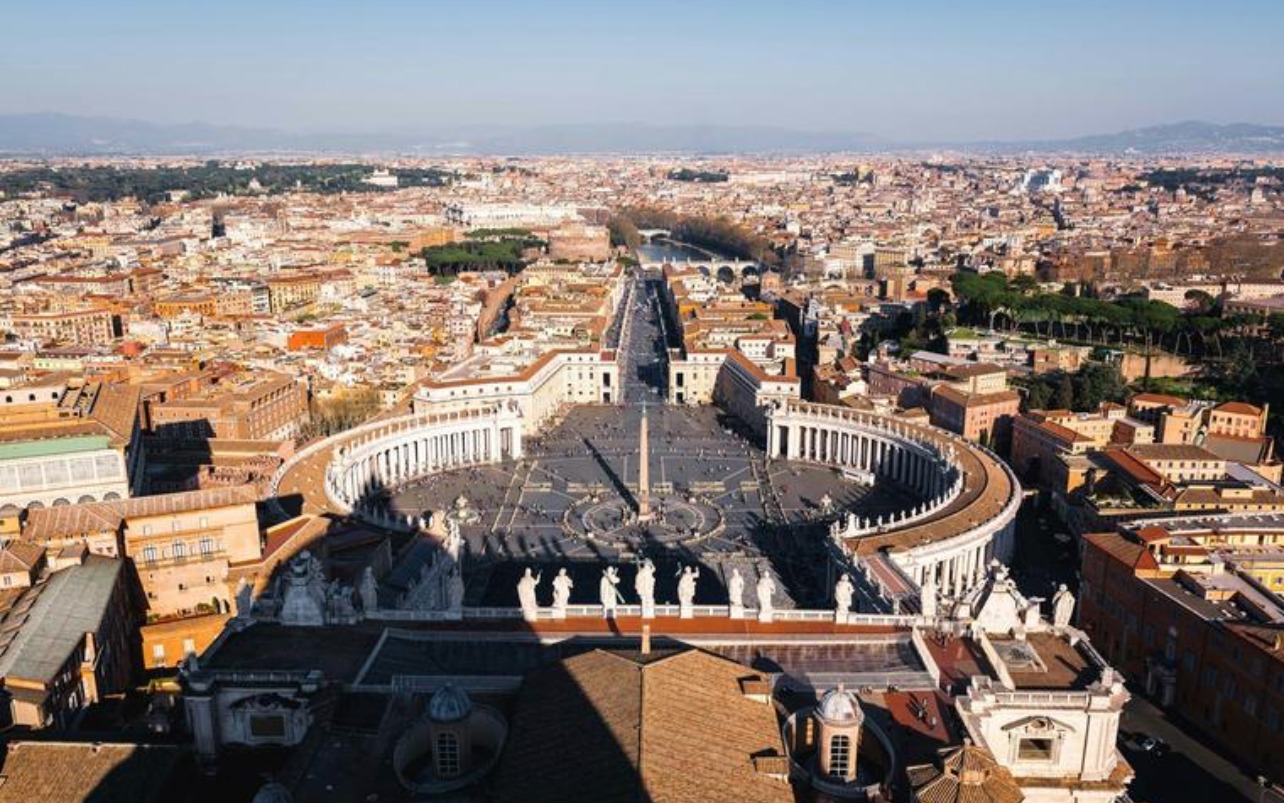
VATICAN CITY — Jan. 15, 2025 — Vatican City State has introduced its first formal law regulating artificial intelligence, placing strict limits on how the technology may be used within Vatican institutions and banning applications considered harmful, discriminatory, or contrary to the mission of the Catholic Church.
The 13-page decree, titled “Guidelines on Artificial Intelligence,” officially came into effect on Jan. 1, 2025, after being published on the Vatican government’s website shortly before Christmas Eve last year. The regulations were enacted by the Pontifical Commission of Vatican City State and apply specifically to Vatican state institutions, though not to the entire Roman Curia.
Under the rules, AI systems that create social inequalities, violate human dignity, or use techniques capable of causing physical or psychological harm are prohibited. The decree also bans the use of “subliminal manipulation techniques” and forbids AI applications that draw discriminatory anthropological inferences about individuals.
The guidelines further prohibit any use of artificial intelligence that conflicts with the mission of the pope, the integrity of the Catholic Church, or the institutional activities of Vatican City State.
Among the other banned practices are AI systems that threaten Vatican security or exclude people with disabilities from accessing services or features. Vatican officials said the law is intended to ensure that technological development remains aligned with ethical principles and human oversight.
To enforce the regulations, the decree establishes a five-member “Commission on Artificial Intelligence,” made up of officials from the Vatican’s legal, technology, and security departments. The commission will oversee AI-related activities, evaluate proposals for experimental AI projects, prepare implementation laws, and issue reports twice a year on AI use within Vatican City and territories governed under the Lateran Treaty.
The Vatican’s framework was heavily influenced by the European Union’s AI Regulation, which took effect last year and emphasizes a risk-based approach to artificial intelligence governance. The Vatican decree similarly stresses transparency, inclusion, environmental responsibility, data protection, and non-discrimination.
One notable provision requires all AI-generated content used within Vatican institutions to be clearly labeled “IA” — short for intelligenza artificiale — to distinguish machine-generated material from human-created work. The Vatican also maintains copyright ownership over such content.
The decree states that artificial intelligence must not replace human decision-making within Vatican administration, emphasizing that authority over personnel, organization, and governance must remain in human hands.
Specific guidelines are also included for sectors such as health care, cultural heritage preservation, judicial activity, and administrative procedures. In Vatican courts, AI may only assist with research, while legal interpretation and judicial decisions must remain the responsibility of human judges.
The law reflects Pope Francis’ longstanding calls for ethical oversight of artificial intelligence. In recent years, the pontiff has advocated for international AI regulation and supported the Vatican’s “Rome Call for AI Ethics,” which promotes transparency, accountability, and social justice in emerging technologies.
Last year, Pope Francis also urged world leaders at the G7 Summit to prohibit autonomous weapons systems and pursue international agreements governing artificial intelligence.
Despite its restrictions, the Vatican decree acknowledges the benefits of scientific and technological advancement, stating that technology is “a product of human creativity understood as a gift from God” that has helped address many human challenges.
https://www.ncregister.com/cna/vatican-
Comments
0 Comment
Most visited news

Latest articles
Contact us

All rights are reserved for the Center of Contemporary Jurisprudence, Islamic Seminary - Iran - Copyright
۰ Comment