


4 days ago
ICIJ 2026: Islamic Educators Warn Against "Algorithmic Over-Reliance," Call for Return to Tabayyun and One-on-One Mentorship
ICIJ2026 scholars warn generative AI is eroding critical thinking, calling for a revival of classical guru–murīd assessment model and dual-competent scholars
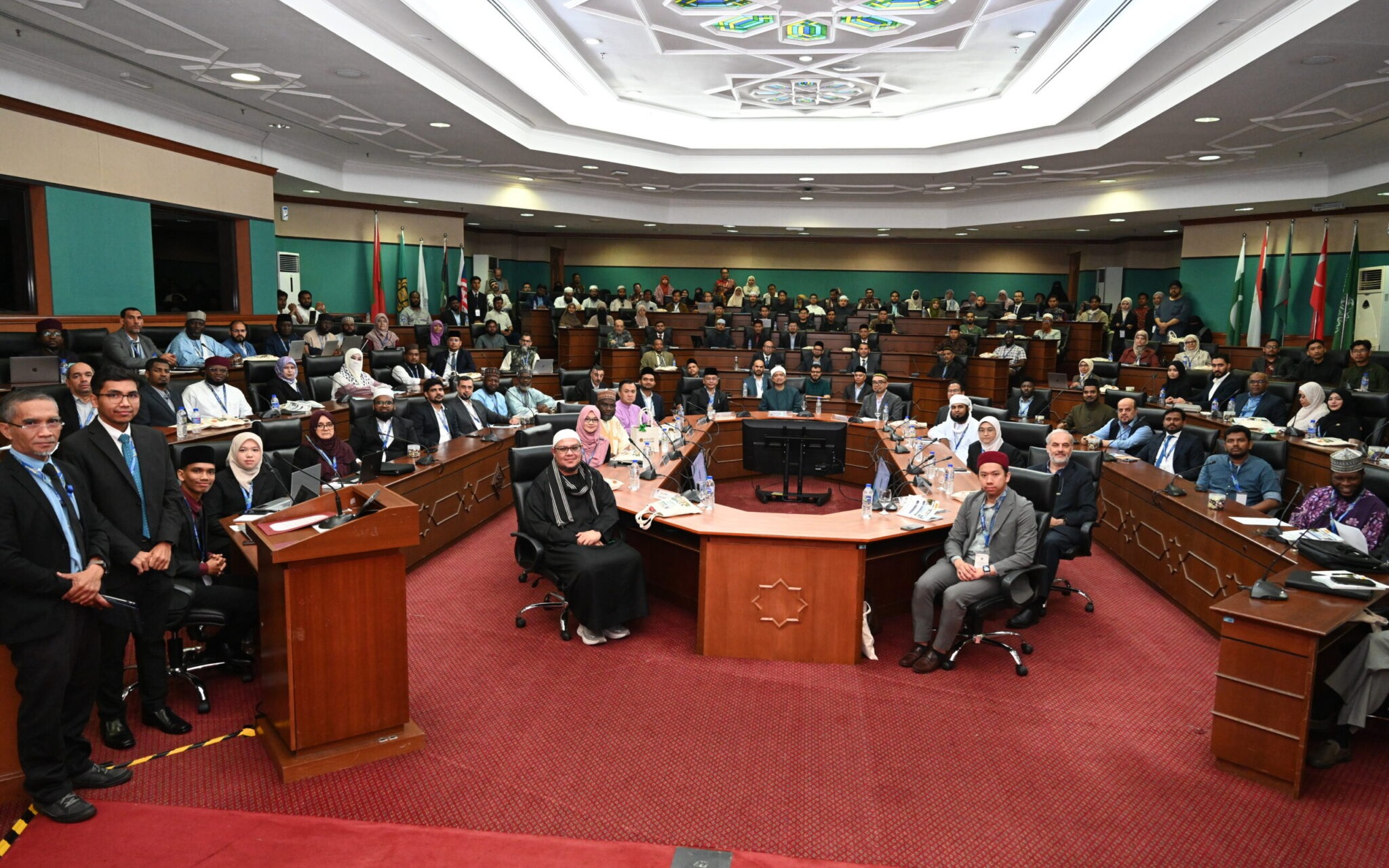
KUALA LUMPUR — Generative artificial intelligence threatens to hollow out critical thinking, weaken scholarly rigor, and disrupt the traditional master-disciple (isnād) bond in Islamic education unless universities overhaul how they teach and assess students, according to academic leaders at the 7th International Conference on Islamic Jurisprudence (ICIJ 2026).
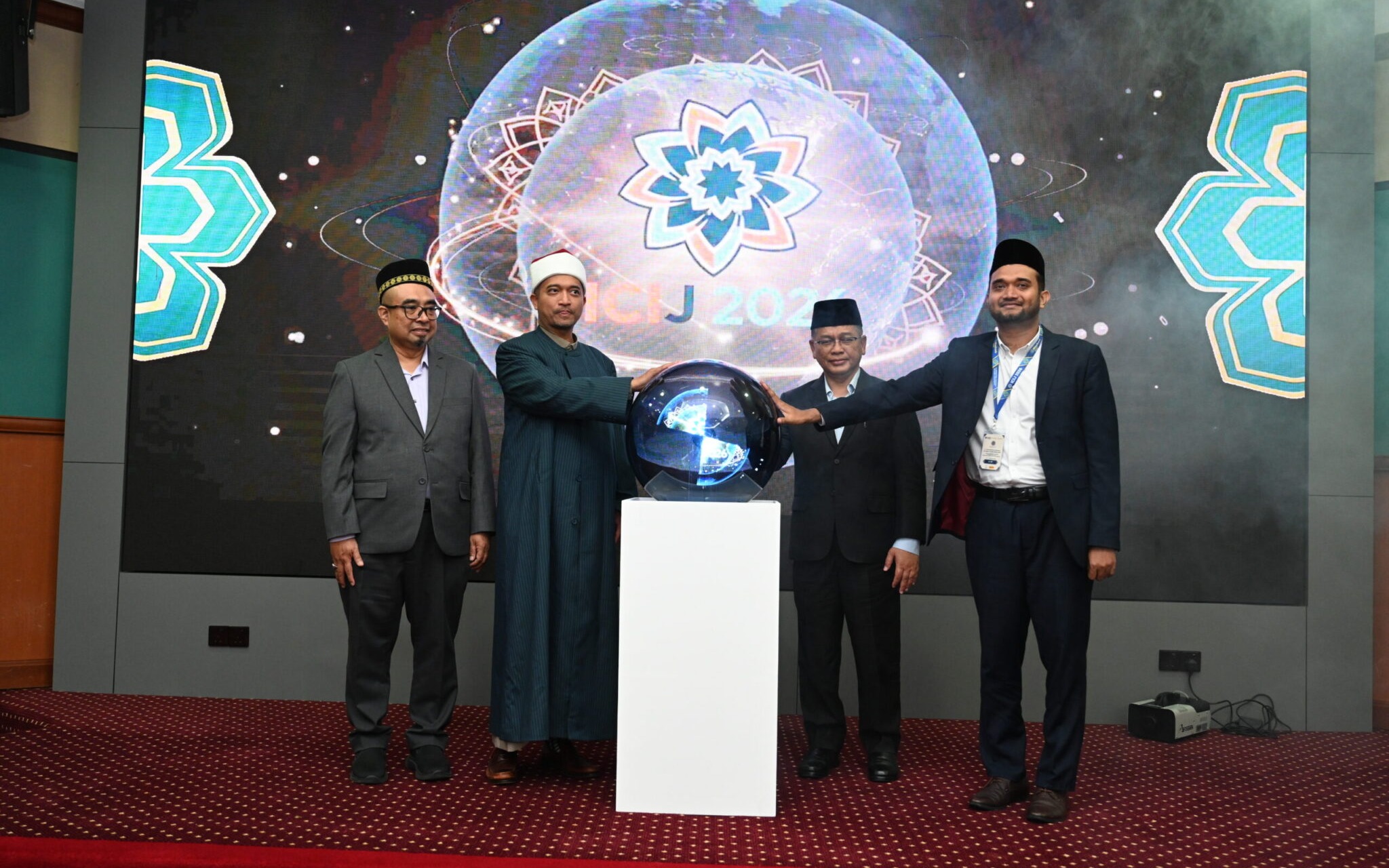
Held on November 10–11 at the International Islamic University Malaysia (IIUM), the conference dedicated a major portion of its keynote addresses and its fifth closing resolution to the epistemological and pedagogical crisis triggered by AI tools in universities and religious seminaries.
"Data Is Not Knowledge, and Speed Is Not Wisdom"
Opening the summit, Prof. Dr. Hafiz Zakariya, Dean of IIUM’s AbdulHamid AbuSulayman Kulliyyah of Islamic Revealed Knowledge and Human Sciences (AHAS KIRKHS), invoked the epistemology of philosopher Syed Muhammad Naquib al-Attas to challenge the assumption that AI-generated answers equate to genuine learning.
Defining true knowledge (ʿilm) as "the arrival of meaning in the soul," Prof. Zakariya argued that large language models merely process patterns without understanding reality or bearing moral responsibility.
"Information does not automatically constitute knowledge, knowledge does not necessarily lead to wisdom, and computational efficiency is no substitute for ethical discernment," he told delegates, warning that younger generations are increasingly turning to machines rather than human experts for guidance. "AI cannot create a khalīfah (moral steward)—we are the khalīfah, and we must remain in charge."
Accountability and Adab in the Digital Age
Echoing these concerns, Dr. Siti Nur Alaniah Abdul Wahid of Singapore’s Institut Pengajian Islam Pergas (IPIP) framed Islamic education as a sacred trust (amānah) rooted in adab—which she defined as recognizing the proper place of things within creation and acting with moral accountability.
Citing Surah al-Isrāʾ (17:36)—"Do not pursue that of which you have no sure knowledge; indeed, the hearing, the sight, and the heart will all be questioned"—she emphasized that while AI accelerates information retrieval, human scholars and students remain spiritually accountable for verifying truth and exercising sound judgment.
Abolishing Mass Homework for One-on-One Evaluation
At the closing ceremony, Prof. Dato' Dr. Ahmad Faris Ismail, IIUM Deputy Rector (Academic and Internationalisation) and a computer scientist by training, warned that generative AI has rendered traditional take-home assignments obsolete.
Noting that programming tasks that once took university students a week are now completed by AI in seconds, Prof. Ahmad Faris urged universities to revive traditional one-on-one oral and mentorship evaluations (guru–murīd), allowing educators to directly assess how students think, reason, and solve problems without algorithmic crutches.
He further called for ending rigid disciplinary silos by training holistic polymaths—reminding delegates of classical figures like al-Khwārizmī, who excelled simultaneously in mathematics and religious scholarship. "Computer scientists and programmers must learn Islamic knowledge and ethics, and Islamic studies scholars must learn programming," he said, while challenging researchers to explore how AI might be engineered to promote taqwā (God-consciousness) rather than intellectual laziness.
Embedding Tabayyun into Academic Curricula
In its final declaration on AI, Education, and Research, presented by Conference Chairperson Assoc. Prof. Dr. Sayyed Mohamed Muhsin, ICIJ 2026 codified four concrete mandates for educational institutions:
Mandate Tabayyun (Source Verification): Educators must train students to verify primary sources and master foundational methodologies rather than rely on AI summaries, which risk presenting fabricated citations and systemic biases as religious truth.
Protect the Isnād Tradition: Automated tools may assist research, but must never replace the human mentorship and character formation (tarbiyah) between teacher and student.
Enforce Human-in-the-Loop Authenticity: The assembly noted that neither AI pattern recognition nor blockchain immutability can independently authenticate religious texts; verified human testimony and scholarly consensus remain the final arbiters.
Launch a Standardized Ethical AI Framework: IIUM’s Centre for Tawḥīdic Artificial Intelligence Studies (CTAI) was formally tasked with leading an international, cross-disciplinary initiative to establish ethical benchmarks for responsible AI use in education and society.
Similar news

Comments
0 Comment
Most visited news


Latest articles
Contact us

All rights are reserved for the Center of Contemporary Jurisprudence, Islamic Seminary - Iran - Copyright
۰ Comment