


5 days ago
ICIJ 2026: Algorithmic Opacity Deemed "Material Uncertainty" (Jahālah) Under New Islamic FinTech Guidelines
ICIJ 2026 jurists and banking leaders establish a three-tier governance framework for AI trading, takāful underwriting, and smart contracts.
KUALA LUMPUR — "Black-box" artificial intelligence systems used in digital banking, automated trading, and Islamic insurance (takāful) violate foundational principles of Islamic commercial law if they obscure essential contract terms, according to new financial governance standards adopted at the 7th International Conference on Islamic Jurisprudence (ICIJ 2026).
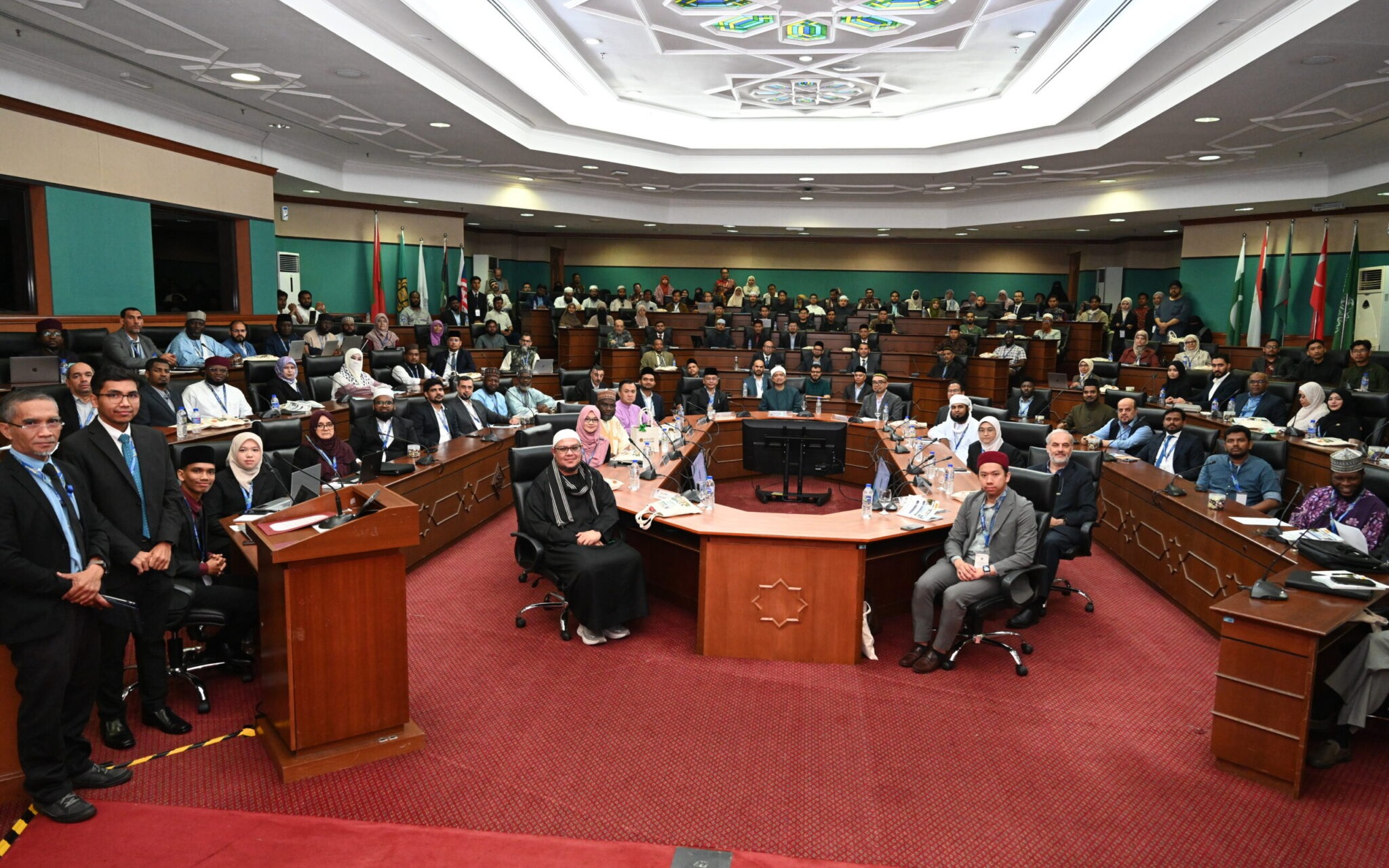
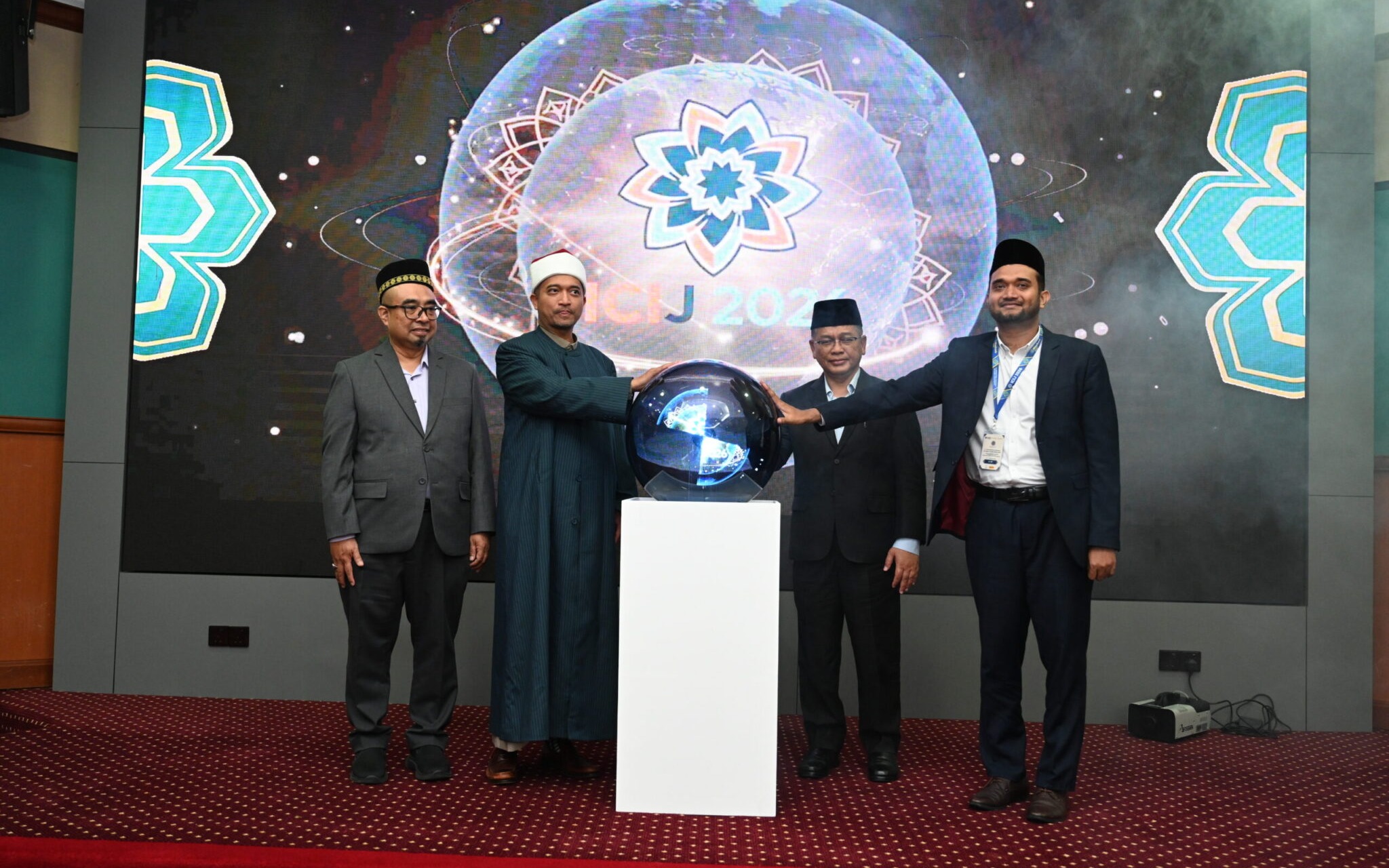
Hosted by the International Islamic University Malaysia (IIUM) with main sponsorship from Maybank Islamic Berhad, the conference brought together Sharīʿah scholars, computer scientists, and banking executives—including Maybank Islamic Shariah Committee Chairman Dr. Akhtarzaite Hj. Abdul Aziz—to establish enforceable rules for AI in Islamic finance.
In its third thematic resolution, presented at the November 11 closing ceremony by Conference Chairperson Assoc. Prof. Dr. Sayyed Mohamed Muhsin, the assembly declared that financial technology must serve human social welfare rather than concentrate wealth through opaque automation.
Equating "Black-Box" AI with Jahālah
Under classical Islamic contract law (fiqh al-muʿāmalāt), any contract tainted by gharar (excessive risk) or jahālah (material ignorance regarding key terms) is invalid. Applying this principle to modern FinTech, ICIJ 2026 ruled that algorithmic opacity affecting an essential contractual term constitutes material uncertainty (jahālah).
To prevent hidden biases or unexplainable automated rejections in credit scoring, dynamic pricing, and takāful claims, the declaration mandates that:
Islamic financial institutions (IFIs) and central regulators must enforce algorithmic transparency, explainability, and independent bias testing before deploying AI tools.
Any automated decision impacting the rights of banking customers or takāful participants must remain subject to human review.
A Three-Tier Governance Framework
Rather than issuing a blanket ban on algorithmic trading or robo-advisory platforms, jurists called for rigorous collective ijtihād—bringing Sharīʿah scholars and software engineers together to audit algorithms prior to launch. Under the new guidelines, AI applications in Islamic finance must be classified into three tiers:
Encouraged: Tools that safely improve operational efficiency, fraud detection, and financial access.
Conditionally Permitted: Applications allowed only under strict explainability standards, fairness audits, and human-in-the-loop oversight.
Restricted: High-risk or speculative automated mechanisms that must be curtailed or phased out.
Human Liability for Smart Contract Bugs
The declaration also addressed decentralized finance and automated execution, affirming that smart contracts are valid under Sharīʿah so long as they fulfill the classical pillars of a valid contract: clear alignment of offer and acceptance, legal capacity, mutual consent, and unambiguous knowledge of the underlying asset.
However, the assembly closed a major legal loophole by ruling that contracting parties retain direct liability for coding errors and software vulnerabilities, ensuring that automation cannot be used to shield institutions from financial accountability.
To operationalize these standards, ICIJ 2026 urged Islamic banks to modernize their internal audit infrastructures and invest in cross-training Sharīʿah scholars in artificial intelligence and algorithmic governance.


Comments
0 Comment
Most visited news

Latest articles
Contact us

All rights are reserved for the Center of Contemporary Jurisprudence, Islamic Seminary - Iran - Copyright
۰ Comment