

26 Jan 2022
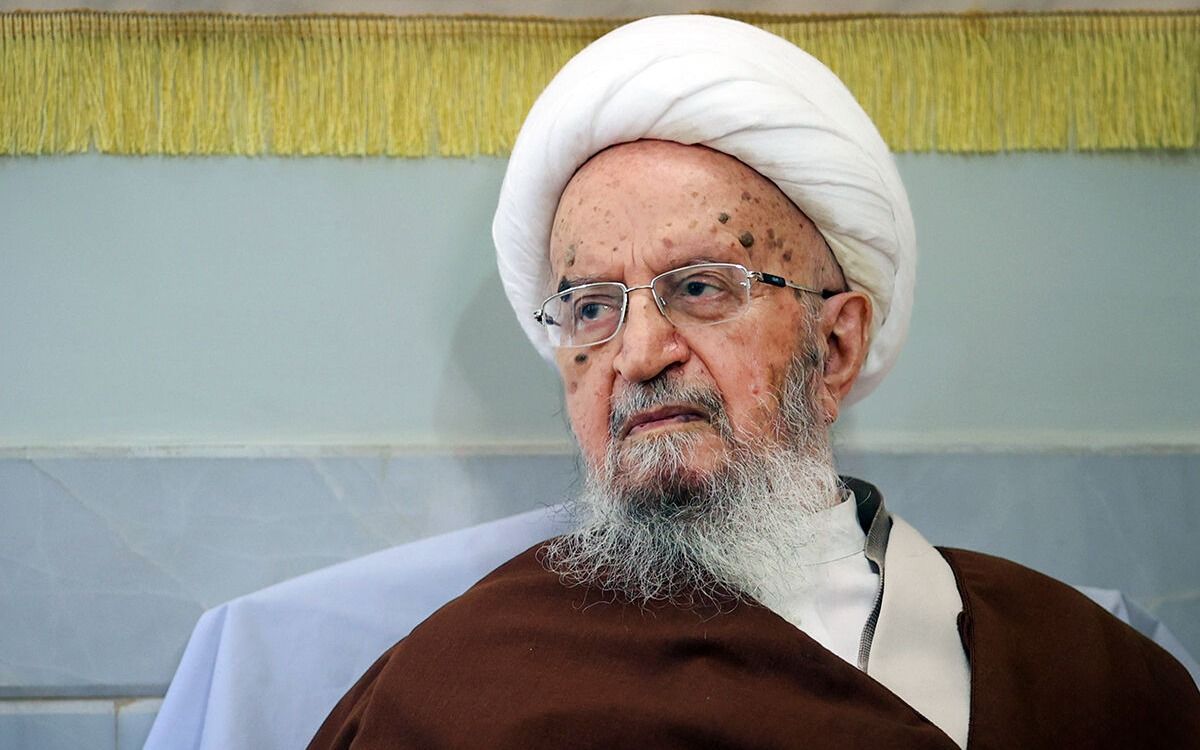
Ayatollah Makarem Shirazi Meets with the Head of Hawza
Grand Ayatollah Makarem Shirazi meets with the Director of the Islamic Seminaries (Hawza ‘Ilmiyya) and the Director of the Department of Contemporary Fiqh
Grand Ayatollah Naser Makarem Shirazi, in a meeting with the Director of the Islamic Seminaries (Hawza ‘Ilmiyya) and the Director of the Department of Contemporary Jurisprudence (Fiqh), expressed his satisfaction with the progress and scholarly outputs of the Department of Contemporary Jurisprudence (Fiqh), stating: “I am pleased with the advancement of the Department of Contemporary Jurisprudence (Fiqh) and its achievements”.
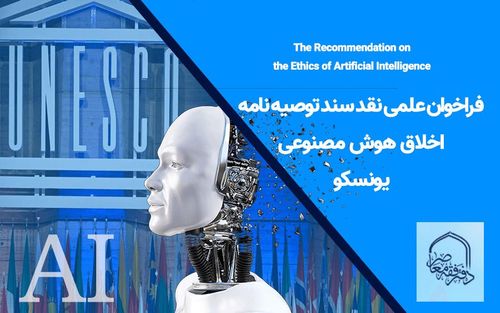
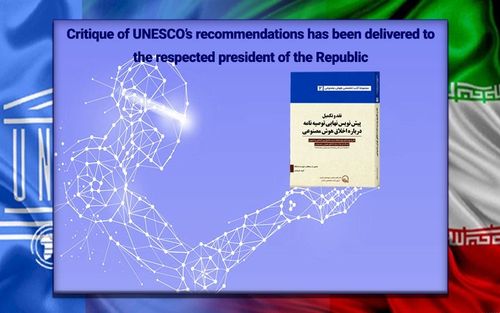
Following the publication of a comprehensive critique—prepared with the assistance of numerous seminary and university researchers—of the draft UNESCO Recommendation on the Ethics of Artificial Intelligence, which was submitted to the Office of the President, the Centre for Contemporary Jurisprudence (Fiqh) highlighted multiple clauses in the document that were deemed contrary to Islamic law (shar‘) and the cultural foundations of the Islamic Republic of Iran. In light of this strong scholarly foundation, the Office formally requested Ayatollah Alireza A‘rafi (may God preserve him), Director of the Islamic Seminaries, to initiate swift action toward drafting a national framework for artificial intelligence, so that the country would not once again face challenges similar to those experienced with the 2030 Agenda.
With the coordination of the Director of the Islamic Seminaries, the necessary documents were prepared, and in an official letter—detailing the specialized and interdisciplinary capacities developed within the Centre for Contemporary Jurisprudence (Fiqh) —Ayatollah A‘rafi called upon the President to halt the implementation of the UNESCO document in Iran and to place the drafting of a National AI Ethics Charter on the official agenda.
This letter was referred for review to the Strategic Studies Center of the Presidency. Following negotiations conducted by the Center, the Supreme Council of the Cultural Revolution was requested to entrust the drafting of the AI Ethics document to the Islamic Seminary.
Today, an official letter was received from Dr. Saeed Reza Ameli, Secretary of the Supreme Council of the Cultural Revolution, formally requesting the Islamic Seminary to draft the Ethics of Artificial Intelligence Document and submit it to the Council for approval.
Under the guidance of the Director of the Islamic Seminaries, and in cooperation with other officials and respected figures, every effort will be made to utilize the full scholarly capacity of the Hawza in the preparation of this document.
Given that the issues addressed under the ethics of artificial intelligence represent some of the most current, emerging, and cutting-edge topics globally, it is essential to recognize that the formulation of an ethical framework plays a guiding role in the sensitive process of AI development. It is hoped that the finalization of this national document within the Islamic Seminary will mark a turning point in enhancing the impact of the Hawza’s scholarly output on religious governance.
Similar news


Comments
0 Comment
Most visited news

Latest articles
Contact us

All rights are reserved for the Center of Contemporary Jurisprudence, Islamic Seminary - Iran - Copyright
۰ Comment