

6 days ago
Global Islamic Jurists Ban AI-Generated Fatwas and Demand Mandatory Content Labeling at ICIJ 2026
ICIJ 2026 has issued a landmark five-pillar declaration governing artificial intelligence.
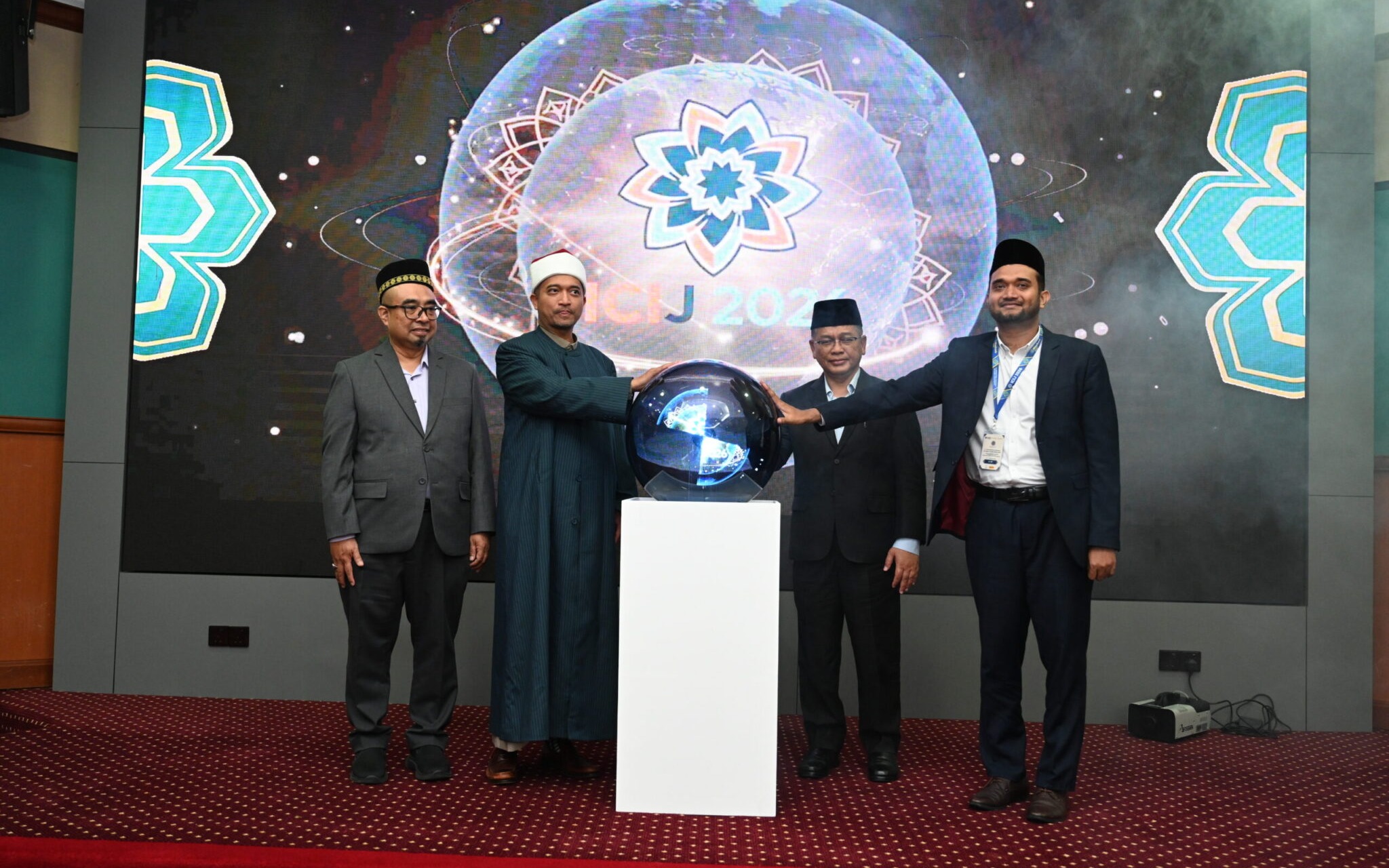
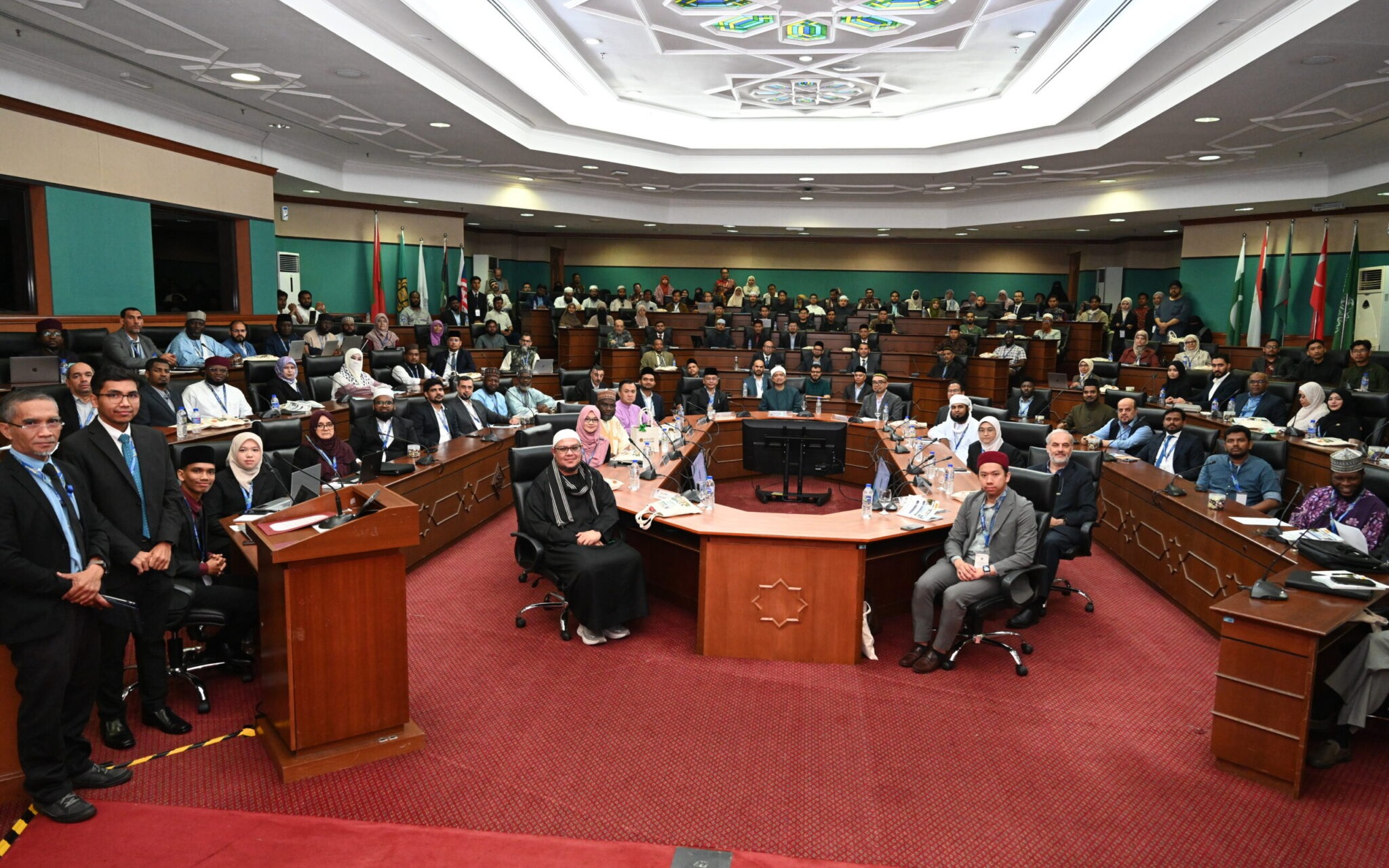
KUALA LUMPUR — Concluding two days of deliberations involving scholars from 31 countries and 158 research papers, the 7th International Conference on Islamic Jurisprudence (ICIJ 2026) at the International Islamic University Malaysia (IIUM) has issued a landmark five-pillar declaration governing artificial intelligence.
Presenting the resolutions at the closing ceremony on November 11, Conference Chairperson Assoc. Prof. Dr. Sayyed Mohamed Muhsin established the assembly's foundational principle: "Science and technology should never take precedence over human dignity. Just as the created cannot transcend the Creator, so too should human creations never be permitted to surpass their creators."
Key Policy Mandates:
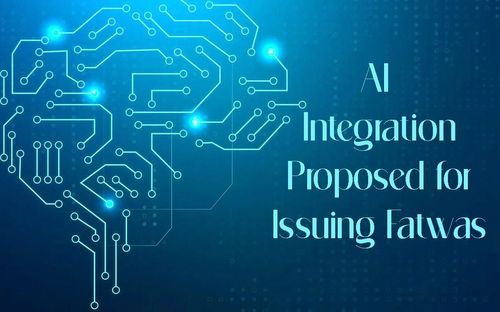
Strict Prohibition on Autonomous Fatwas: The conference ruled that ijtihād (independent legal reasoning) is an exclusive prerogative of human intellect and moral agency. While AI may retrieve texts and organize case files for scholars, delegating the issuance of a fatwa to an AI system is declared strictly impermissible. Automated outputs do not constitute valid religious edicts for laypersons.
Mandatory AI Labeling & Deepfake Penalties: Under its first thematic pillar on human dignity, the declaration calls for mandatory labeling of all AI-generated content, provenance traceability mechanisms, and deterrent legal punishments for fabricating synthetic media that harms personal honor (ʿirḍ).
Standardized Institutional Benchmarks: IIUM Deputy Rector Prof. Dato' Dr. Ahmad Faris Ismail endorsed the declaration and confirmed that IIUM’s Centre for Tawḥīdic Artificial Intelligence Studies (CTAI) will spearhead the development of standardized, cross-disciplinary ethical AI benchmarks combining Sharīʿah scholars with computer scientists.
Similar news


Comments
0 Comment
Most visited news



Latest articles
Contact us

All rights are reserved for the Center of Contemporary Jurisprudence, Islamic Seminary - Iran - Copyright
۰ Comment