

6 days ago
ICIJ 2026: Can Robots Testify in Islamic Courts? Jurists Draw Hard Line Between Ḥudūd and Taʿzīr Offences
Legal & Criminal Justice Angle: Spotlight on Prof. Dr. Luqman Zakariyah & Dr. Abdullah al-Suleimi
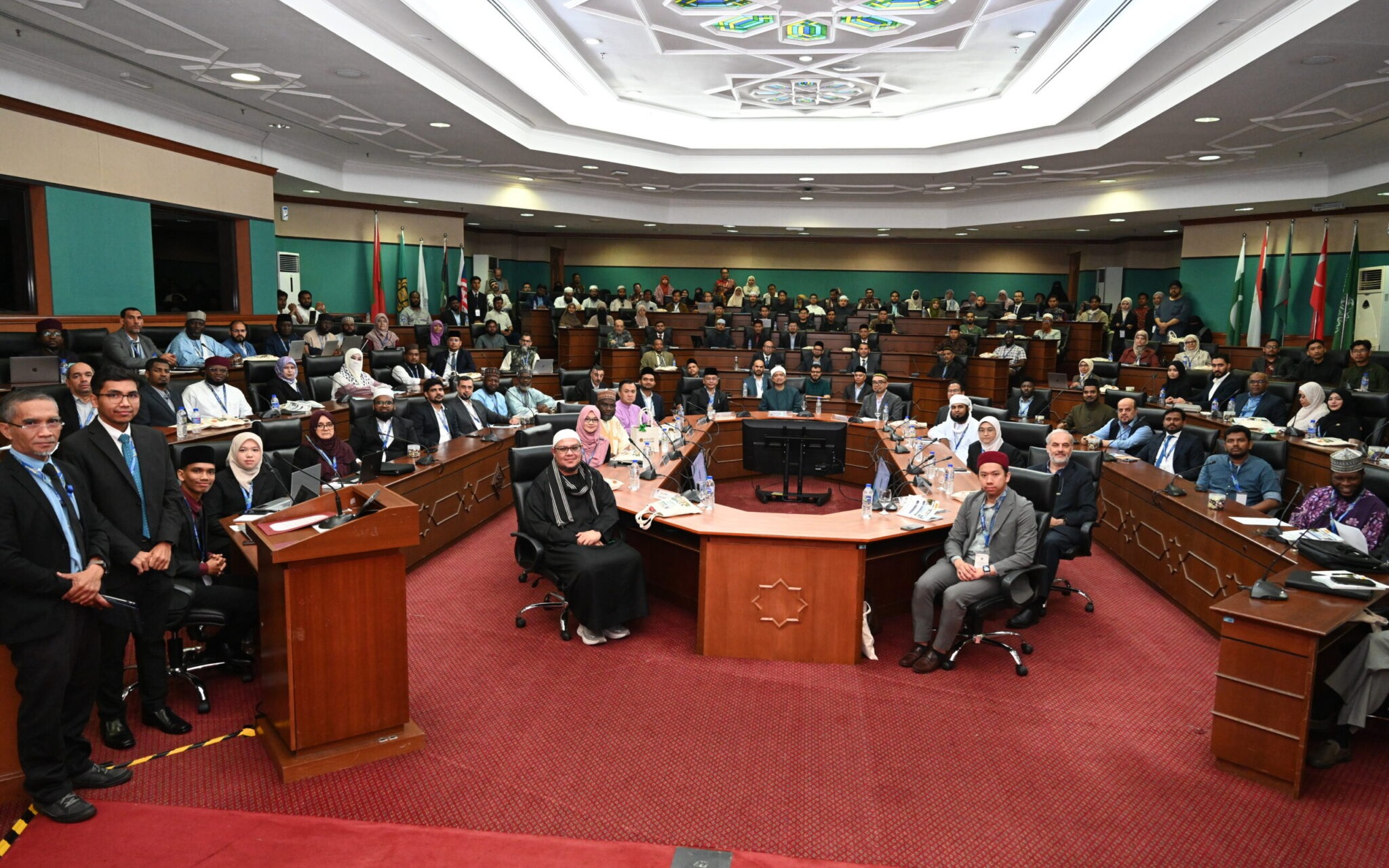
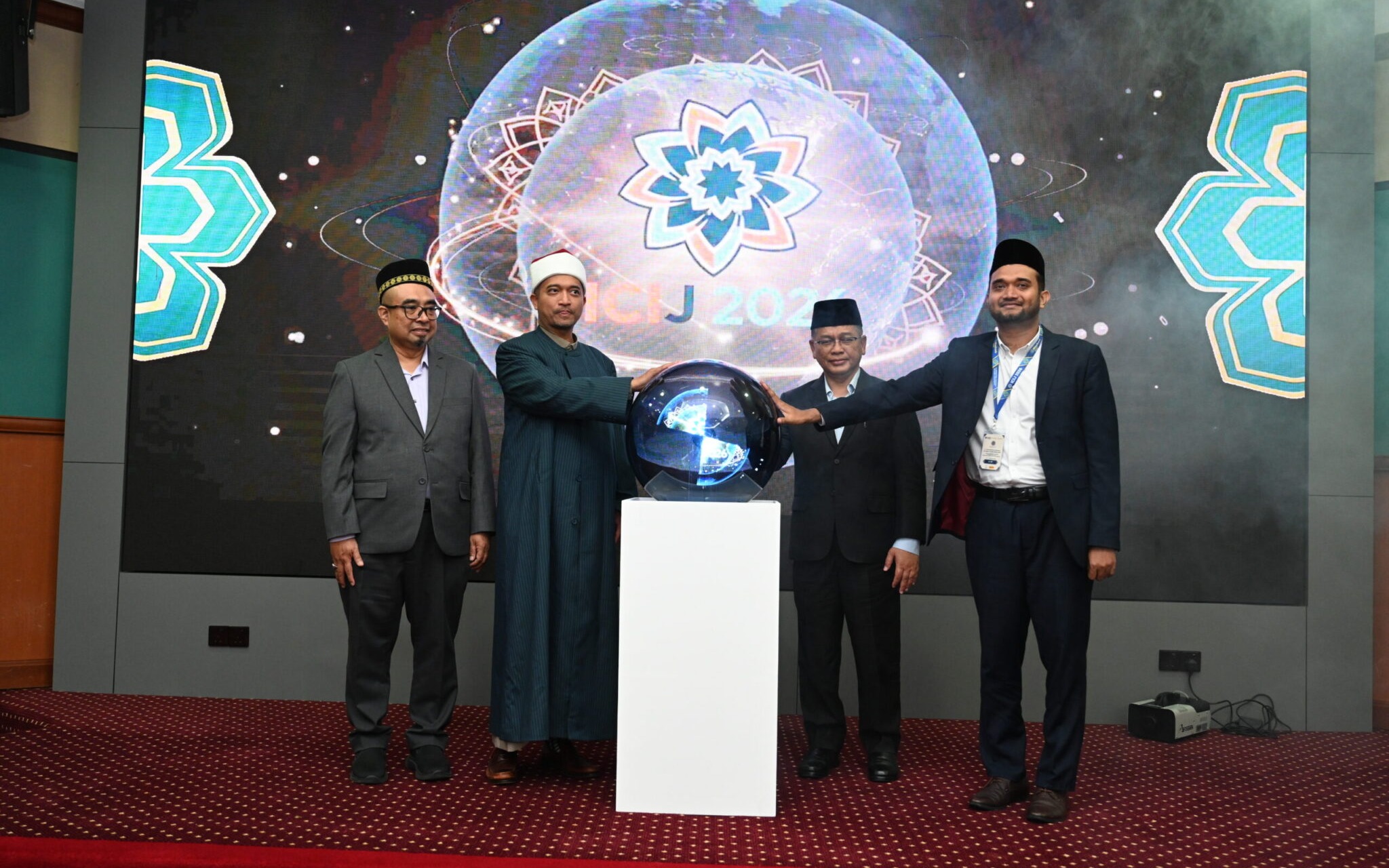
KUALA LUMPUR — As courts worldwide experiment with algorithmic evidence and autonomous surveillance, leading Islamic legal theorists at ICIJ 2026 drew a sharp jurisprudential boundary regarding the role of robots and AI in criminal justice.
In a widely debated keynote address titled "Robots in Islamic Criminal Justice: The Contention Between the Letter and the Spirit of the Law," Prof. Dr. Luqman Zakariyah of the University of Abuja examined whether AI systems can establish criminal liability or replace human witnesses.
No AI in Fixed (Ḥudūd) Punishments: Prof. Zakariyah argued that while AI and robotics can assist investigations and establish evidence in discretionary (taʿzīr) offences involving human rights (ḥuqūq al-ʿibād), they cannot be used to establish fixed scriptural punishments (ḥudūd), where strict procedural certainty and human moral agency are mandatory. "A machine may process information quickly, but speed does not establish truth; patterns alone cannot establish criminal responsibility," he stated.
Rejection of Autonomous Legal Liability: Echoing themes raised by Oman’s Fatwa Secretary Dr. Abdullah bin Ahmad al-Suleimi on the uniquely human attribute of Ādamiyyah (human personhood), the conference's fourth resolution formally declared that AI lacks legal capacity (taklīf) due to its absence of intent, free will, and moral choice. Legal liability remains permanently attached to human designers, operators, and supervisors, with any synthetic legal status permitted solely as a regulatory mechanism for financial compensation pools.
Similar news
Comments
0 Comment
Most visited news



Latest articles
Contact us

All rights are reserved for the Center of Contemporary Jurisprudence, Islamic Seminary - Iran - Copyright
۰ Comment