

26 May 2026
Pope Leo XIV calls for AI to be Effectively “Disarmed”
Pope Leo XIV calls for ethical AI governance, warning against autonomous weapons, misinformation, inequality, and threats to human dignity.
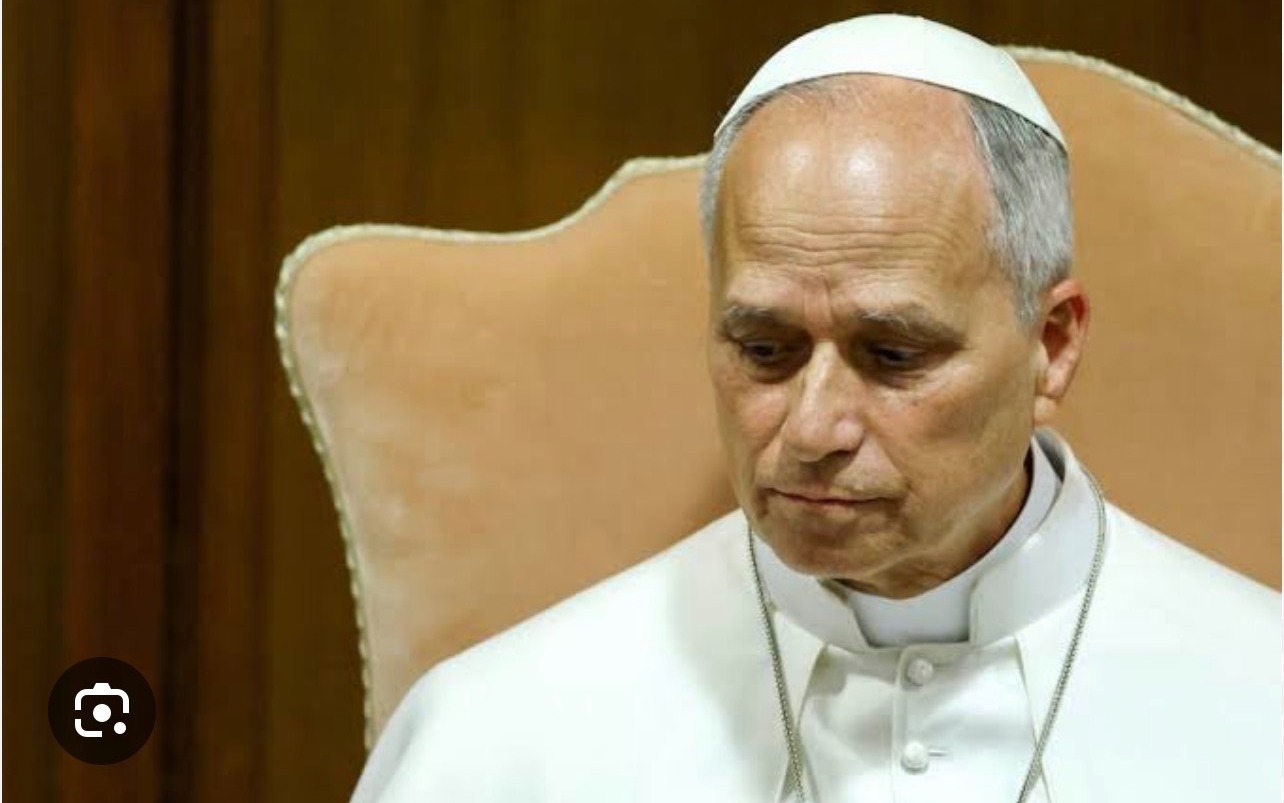
May 25 — Pope Leo XIV has issued a warning about the future of artificial intelligence, arguing that rapidly advancing technologies must remain firmly subordinate to human dignity, moral responsibility, and the common good.
In a nearly 43,000-word encyclical, the pontiff describes artificial intelligence as one of the defining challenges of the modern era, cautioning that technological progress detached from ethical and spiritual foundations could create a new “Tower of Babel” — a powerful system built on human ambition rather than wisdom.
“Humanity, created by God in all its grandeur, is today facing a pivotal choice,” Pope Leo writes in the opening lines of the document, according to Vatican News. The encyclical urges governments, technology companies, and international organizations to ensure that AI development benefits society as a whole rather than concentrating power among corporations, political elites, or a small group of technology leaders.
The document attracted global attention during its public presentation at the Vatican, where Pope Leo appeared alongside theologians, senior Vatican officials, and Christopher Olah, co-founder of AI company Anthropic. The event underscored the Vatican’s growing engagement with debates surrounding the social and ethical implications of artificial intelligence.
At the heart of the encyclical is the pope’s concern that AI could fundamentally reshape labor markets, warfare, democratic institutions, and human relationships before adequate safeguards are established. He warns that increasingly powerful AI systems could deepen economic inequality, accelerate the spread of misinformation, and weaken authentic human connections if left without meaningful oversight.
The pope devotes particular attention to the military use of artificial intelligence, condemning the development of autonomous weapons and algorithm-driven warfare. Such technologies, he argues, risk lowering moral barriers to violence by distancing decision-makers from the human consequences of conflict. Reuters reported that Pope Leo called for AI to be effectively “disarmed,” warning that the normalization of autonomous warfare could make perpetual conflict more likely and less visible to the public.
The encyclical also draws historical parallels to Pope Leo XIII’s landmark 1891 encyclical Rerum Novarum, which addressed the social upheaval created by the Industrial Revolution. Pope Leo XIV argues that artificial intelligence represents a similarly transformative technological shift, one that demands new protections for workers, vulnerable communities, and those at risk of economic displacement.
While acknowledging AI’s potential to advance medicine, education, scientific research, and public services, the pope rejects the notion that technological innovation is inherently beneficial. “Technology is never neutral,” the document states, emphasizing that AI systems inevitably reflect the values, incentives, and priorities of the individuals and institutions that create them.
The Vatican’s intervention comes at a pivotal moment in global AI governance. Policymakers worldwide are struggling to keep pace with advances in generative AI, while concerns over job displacement, surveillance, misinformation, cybersecurity, and autonomous weapons continue to grow. At the same time, technology companies are investing billions of dollars in increasingly sophisticated AI systems, intensifying calls for stronger oversight and international regulation.
The encyclical signals that the Vatican intends to play an active role in shaping the ethical debate surrounding artificial intelligence. Since the beginning of his papacy, Pope Leo has repeatedly warned that digital technologies risk reducing individuals to passive consumers, weakening human relationships, and undermining the spiritual dimensions of life. He has also cautioned religious leaders against relying on AI-generated sermons or digital substitutes for genuine pastoral engagement.
As governments and companies race to develop increasingly powerful AI systems, the Vatican’s message adds a moral dimension to a debate often dominated by technical and commercial considerations. The central question raised by the pope is not whether artificial intelligence can transform society, but whether humanity can ensure that transformation remains aligned with human values.
Comments
0 Comment
Most visited news

Latest articles
Contact us

All rights are reserved for the Center of Contemporary Jurisprudence, Islamic Seminary - Iran - Copyright
۰ Comment