


01 Feb 2024
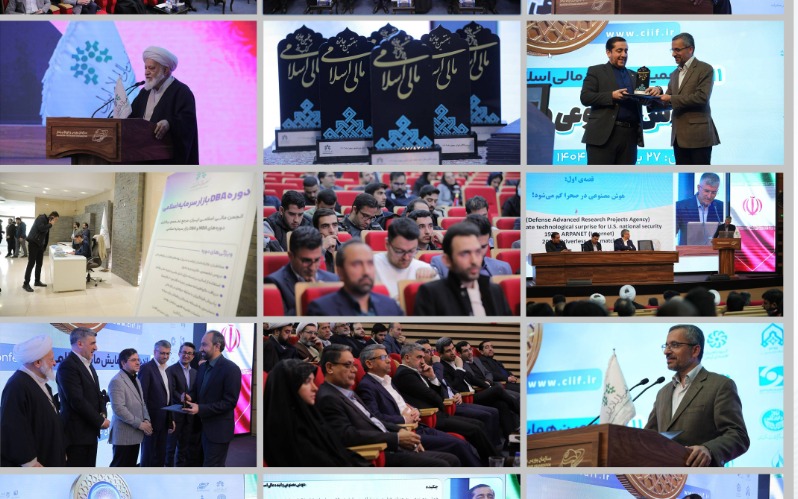
AI Conference Explores Health and Maqasid Alignment
A conference examining the role of artificial intelligence in enhancing healthcare and achieving the maqāṣid al-sharī‘a (higher objectives of Islamic law)
A conference examining the role of artificial intelligence in enhancing healthcare and achieving the maqāṣid al-sharī‘a (higher objectives of Islamic law) is being held in Kuwait City, with the participation of Saudi Arabia.
Conference Overview
The event, organized by the Islamic Organization for Medical Sciences, commenced on January 30, 2024, and runs for three days. It focuses on the intersection of artificial intelligence, healthcare systems, and Islamic legal-ethical objectives.
Key Themes
According to Tawfiq Ahmad Khoja—member of the Board of Trustees of the organizing body and Secretary-General of the Arab Hospitals Federation—the conference addresses nine major themes, including:
- Forms and applications of artificial intelligence
- The future of healthcare: opportunities, hopes, fears, and challenges
- AI’s role in supporting health policy, preventive medicine, research, and planning
- AI as a tool for medical diagnosis and identifying public health issues
- Development of modern biopharmaceuticals, smart robotics, vaccination, and telemedicine
- AI and the preservation of the five essential maqāṣid (protection of religion, life, intellect, lineage, and property) from a health perspective
- Regulatory frameworks to manage the AI revolution
- Legal mechanisms to maximize benefits and minimize harms of AI
- Social and media regulations for governing AI technologies
Ethical and Fiqhi Dimensions
The Islamic Organization for Medical Sciences emphasized that artificial intelligence refers to systems that simulate human intelligence—enabling capabilities such as learning, reasoning, perception, problem-solving, and language understanding. These technologies are already widely deployed and continue to expand across various aspects of daily life.
The organization further stressed that Islam, while embracing technological advancement, requires that such innovations remain aligned with the maqāṣid al-sharī‘a. In this context, Faqihs, scholars, and legal experts bear significant responsibility in developing appropriate fiqhi and legal frameworks to address emerging issues related to AI and machine learning.
Source

Comments
0 Comment
Most visited news

Latest articles
Contact us

All rights are reserved for the Center of Contemporary Jurisprudence, Islamic Seminary - Iran - Copyright
۰ Comment