

27 Jul 2026
Noor Center Expands AI-Powered Platform for Islamic and Humanities Research
Iran's Noor Center has expanded its AI-powered NoorDoc platform by integrating Islamic and humanities theses, providing researchers with intelligent search, ...
Iran's Noor Computer Research Center for Islamic Sciences has introduced NoorDoc, a digital platform designed to integrate Islamic and humanities theses into a unified research database, with artificial intelligence tools to support academic research and protect scholarly integrity.
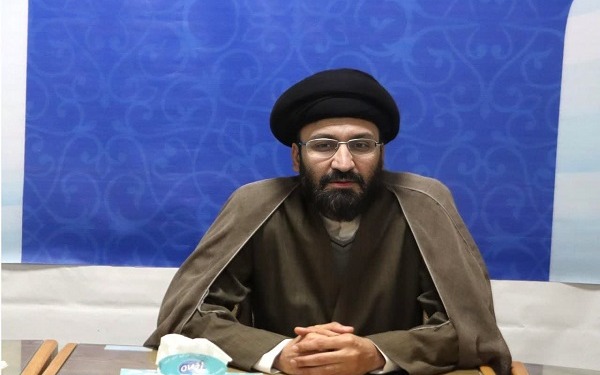
Speaking at a press conference in Qom, Seyed Mostafa Tabatabaei, Head of the Digital Libraries Scientific Group at the Noor Center, said the platform is intended to simplify research while preserving the authenticity of academic work. He announced that theses from Iran's Islamic seminaries will soon be added to the system.
Tabatabaei said the center's primary mission is to provide researchers in Islamic and humanities studies with easy access to digital resources and intelligent research tools. Beyond digitizing content, the center is focusing on restructuring information and applying AI technologies to improve data analysis and streamline academic research.
Building a Comprehensive Digital Research Collection
According to Tabatabaei, the Noor Center has gradually developed a complete digital ecosystem for Islamic and humanities resources. The initiative began with the digitization of books, followed by academic journals, conference papers, and other scholarly articles. Recognizing academic theses as a missing component of this research infrastructure, the center launched NoorDoc to complete the digital collection.
The platform joins the center's existing services:
- NoorLib for books
- NoorMags for journals and scholarly articles
- NoorDoc for theses and dissertations
Users can browse thesis catalogs, perform full-text searches, download documents, or read them online. The platform is designed with a similar interface and functionality to the NoorLib and NoorMags services.
AI Tools to Support Research Integrity
Tabatabaei said AI-powered features already available—or currently under development—for NoorLib and NoorMags will also be incorporated into NoorDoc. He highlighted the Samim Noor project, an intelligent plagiarism detection system designed to evaluate submitted articles, books, and theses. The system analyzes documents against the center's growing database to identify copied material and measure the originality of academic work.
According to Tabatabaei, expanding the thesis collection significantly improves the accuracy of the plagiarism detection engine by providing broader coverage of scholarly resources.
Growing University Partnerships
The University of Tehran was the first institution to collaborate with the Noor Center by providing its complete thesis archive. The university continues to submit newly approved theses after a designated release period.
Tabatabaei said the platform currently includes 120,585 theses from the University of Tehran, with agreements being expanded to additional universities. He added that theses from Iran's seminary management centers and specialized religious institutions will also be incorporated in the near future.
International Expansion
Unlike many comparable databases, the Noor Center focuses specifically on Islamic and humanities scholarship without limiting its collection by language or geography.
As part of this strategy, the center has acquired a substantial collection of theses from Al-Azhar University in Egypt, one of the world's leading institutions for Islamic studies. These works are being added to the platform progressively, while additional partnerships with other universities are also planned.
Tabatabaei noted that although many universities currently charge fees for access to their thesis repositories, NoorDoc aims to centralize scholarly resources, making it easier for researchers to locate, access, and download academic work through a single platform.
He added that beyond their research value, the collection also provides students with useful references for thesis writing, research methodology, and dissertation preparation, helping improve the overall quality of academic research.
Comments
0 Comment
Most visited news



Latest articles
Contact us

All rights are reserved for the Center of Contemporary Jurisprudence, Islamic Seminary - Iran - Copyright
۰ Comment