

19 Feb 2024
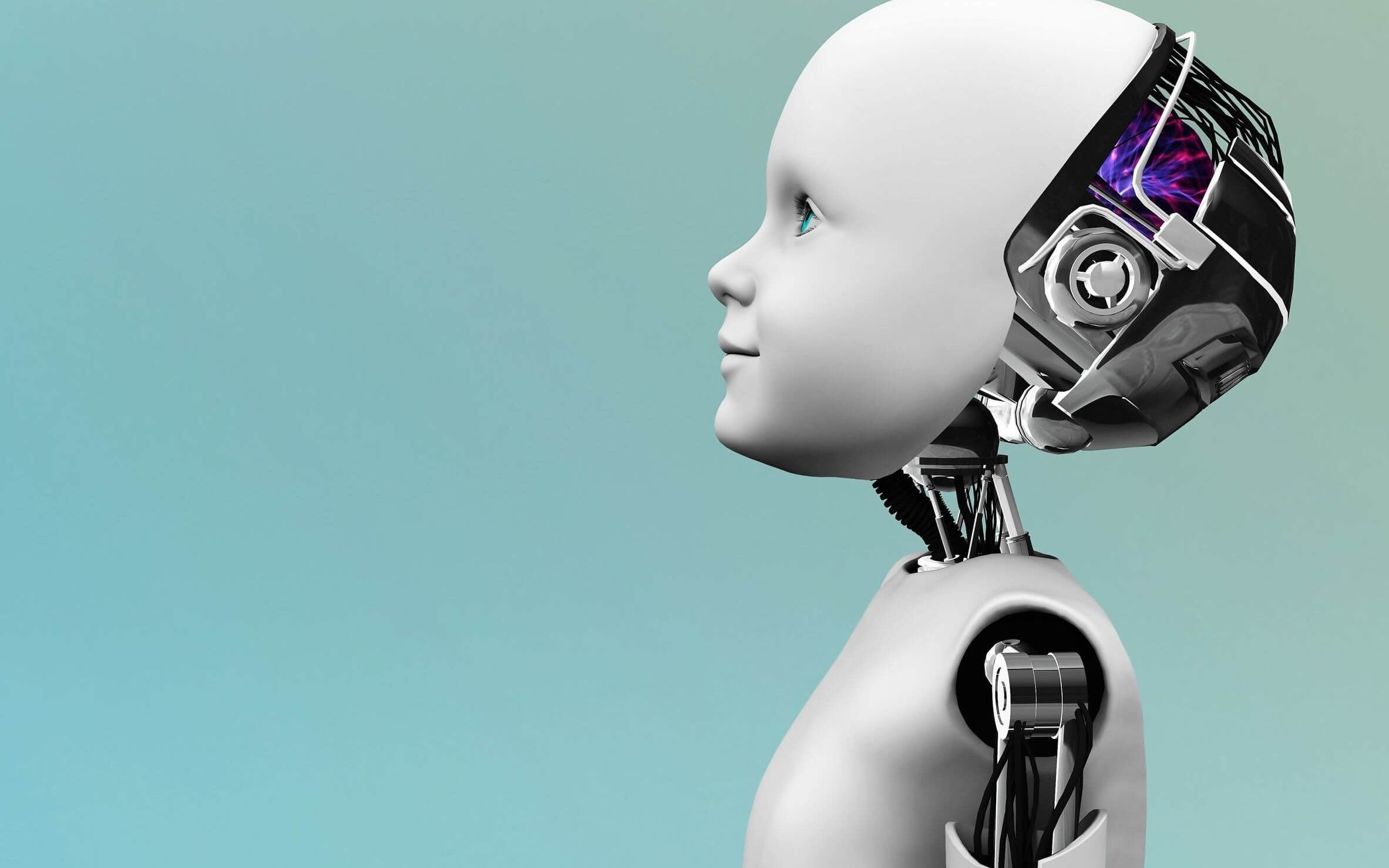
World’s First AI Child Unveiled in China
The world’s first artificial intelligence “child” was showcased at the Advanced AI Technology exhibition in China.
Named Tong Tong—a term meaning “little girl”—the system was developed by scientists at the Beijing Institute for General Artificial Intelligence. It is designed to exhibit the emotional and cognitive abilities of a three- to four-year-old human child.
During a recent general AI technology exhibition, Tong Tong interacted with visitors, demonstrating a range of human-like traits. Although currently confined to a digital environment, the AI displays emotional intelligence, a vocabulary exceeding 600 words, and the capacity for autonomous learning similar to that of a young child.
Researchers note that Tong Tong can distinguish between right and wrong, express attitudes in different contexts, and retain learned concepts through a form of memory. It is also capable of adapting its behavior using artificial intelligence, machine learning, and natural language processing.
In one demonstration, the AI surprised observers by independently organizing its virtual environment—cleaning up spilled milk and adjusting a tilted picture frame without being prompted.
According to its developers, one of the most striking—and potentially concerning—features of Tong Tong is its claimed ability to simulate emotional experiences and express states such as happiness, anger, and sadness.
This development highlights significant advances in AI human-like interaction and emotional modelling. Tong Tong represents a notable step forward in integrating artificial intelligence with human-like behavioural and cognitive functions, pointing toward a future of expanded possibilities and transformative technological change.
Source: Tong Tong, the world's first AI child, unveiled at exhibition


Comments
0 Comment
Most visited news



Latest articles
Contact us

All rights are reserved for the Center of Contemporary Jurisprudence, Islamic Seminary - Iran - Copyright
۰ Comment