

04 Jan 2023
Al-Azhar Proposes International Fiqhi Council on Oral Divorce
Proposal for an International Fiqhi Council to address “oral divorce”.
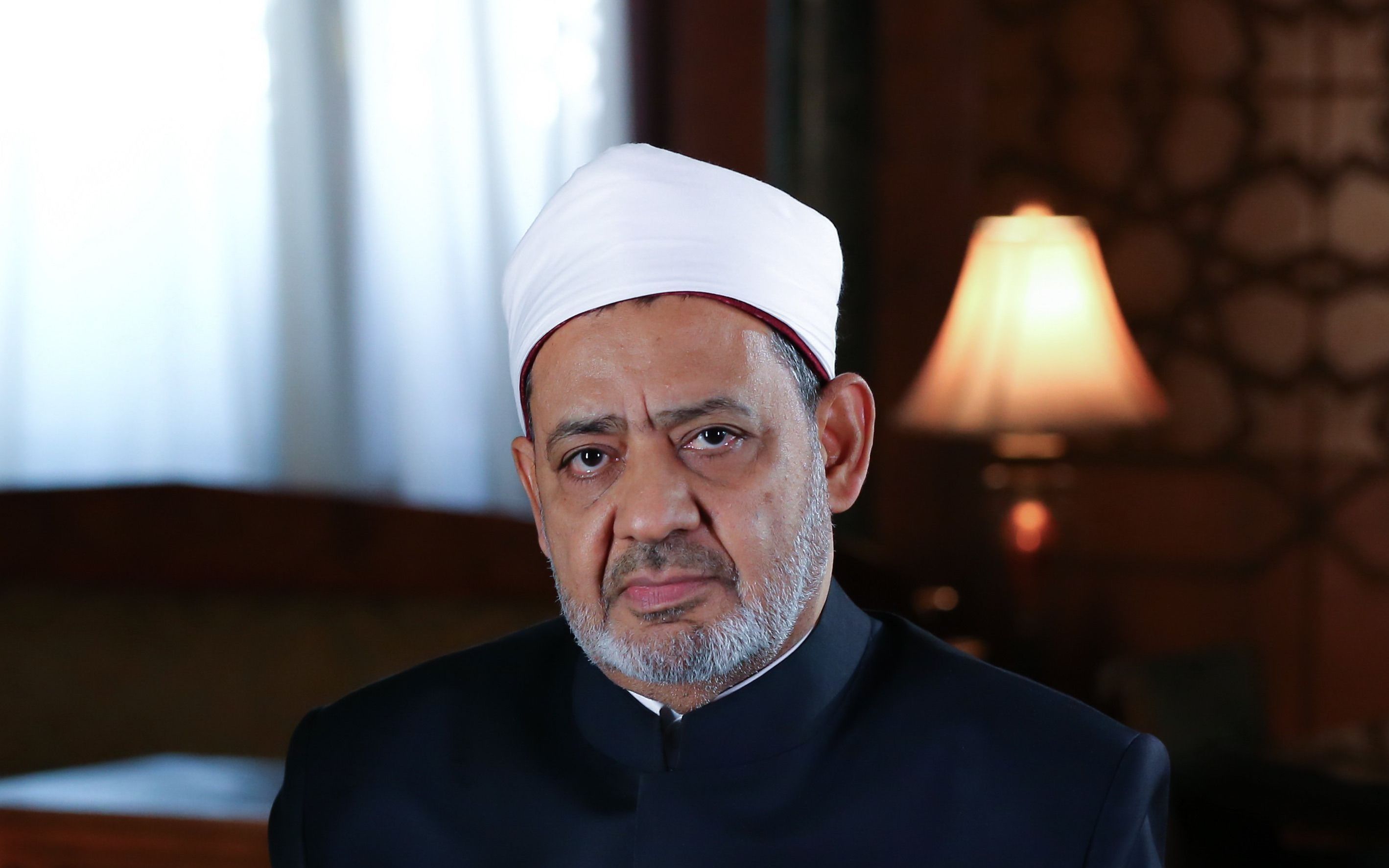
Amid widespread controversy following remarks by Abdel Fattah el-Sisi regarding “oral divorce,” the Grand Imam of Al-Azhar, Ahmed el-Tayeb, has proposed the formation of an International Fiqhi Council composed of leading Faqihs to address the issue.
According to Al Jazeera, the debate intensified after President el-Sisi announced last March that a new draft law was being prepared requiring divorcing couples to officially register their divorce in court. Egypt’s Minister of Justice subsequently revealed that the Ministry had finalized a new personal status law, which includes provisions mandating documentation of oral divorce.
Addressing the issue, Sheikh al-Tayeb stated: “We will never take any step that contradicts our Shariah. The reality is that documenting verbal statements is difficult for any society, whereas documenting actions is far easier”.
Speaking on Thursday during the program Imam al-Tayeb, broadcast on the CBC satellite channel, he noted that the subject of oral divorce—whether requiring witnesses (ishhād), formal documentation, or other overlapping legal terminologies—demands careful clarification.
He explained that guidance can be found in the opening verses of Surah al-Talaq, which outlines the rulings governing divorce. These verses instruct that if a man intends to divorce his wife, the divorce must occur at the beginning of the waiting period (‘iddah) and during a state of purity in which marital relations have not taken place.
Referring to the Qur’anic verse, “Then when they have reached their term, either retain them in a fair manner or part with them in a fair manner, and bring to witness two just men from among you,” he addressed the longstanding Fiqhi question: Is the command to bring witnesses obligatory (wujūb) or advisory (irshād)?
Al-Tayeb clarified that the majority of Qur’anic exegetes and leading Sunni Faqihs hold that the instruction to bring witnesses, as mentioned in the second verse, applies to the divorce referenced in the first verse; however, they consider it a recommendation rather than a binding obligation.
He further emphasized that a man who divorces his wife without witnesses does not commit a sin, and the divorce is valid provided its conditions are fulfilled—most importantly, that it is not issued in a state of extreme anger or coercion.
After presenting the position outlined in the statement of the Council of Senior Scholars, he concluded: “If we wish to revisit this matter and arrive at a new Shariah-based position, we have no choice but to convene a comprehensive global conference bringing together specialized scholars representing Muslim countries to deliberate on the issue.”
Source: How Does ‘Oral Divorce’ Affect Relations Between Egypt’s Presidency and Al-Azhar?
Comments
0 Comment
Most visited news


Latest articles
Contact us

All rights are reserved for the Center of Contemporary Jurisprudence, Islamic Seminary - Iran - Copyright
۰ Comment