

22 Jun 2026
Professor at Amirkabir University: Infrastructure Is the Missing Link in Iran's AI Development
Iran Is Not Yet at a Stage Where Internet Restrictions Damage Its AI Sector
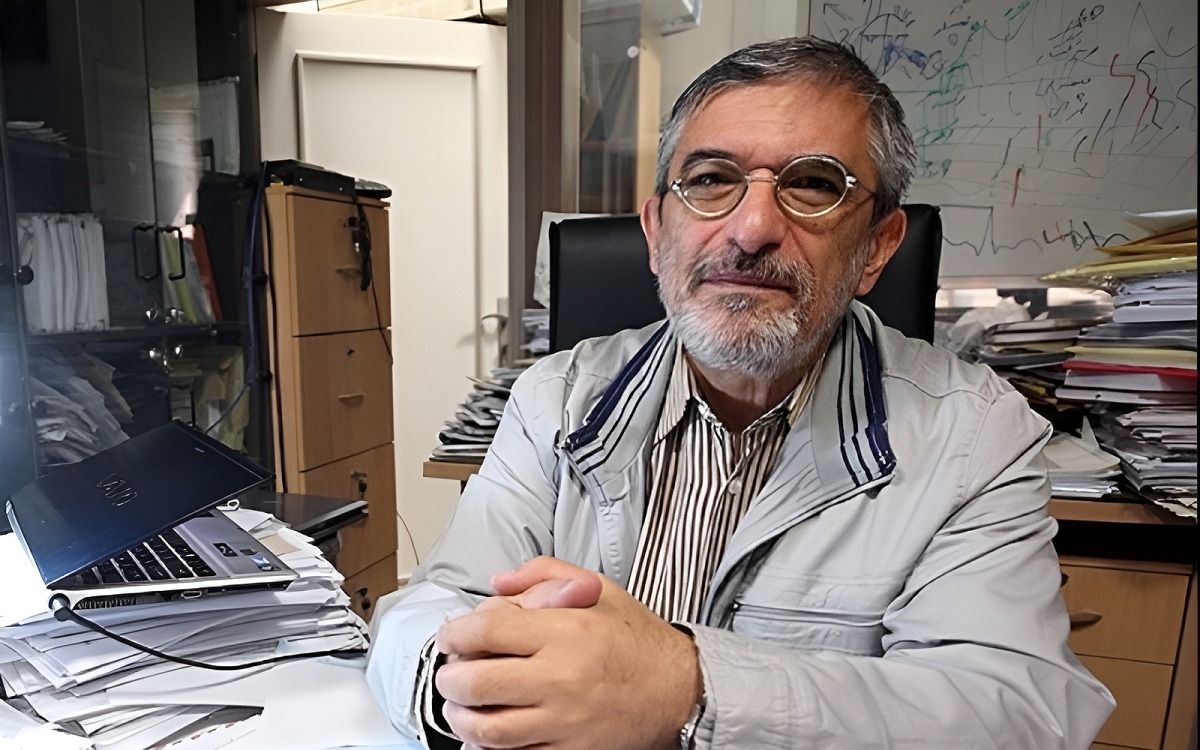
Speaking to the Iranian news outlet Citna, Saeed Setaayeshi, Full Professor at the Faculty of Energy Engineering at Amirkabir University of Technology said:
"In my opinion, we are fundamentally not at a stage where the absence of internet access can seriously harm the country's AI sector. I say this from a scientific perspective, not a media or promotional one."
He explained that the AI tools currently accessible to Iranian users via the internet are products of the needs, data, and challenges of developed countries.
"These systems have been designed and trained to solve the problems of those countries. Therefore, when we use them, we are essentially consumers of tools that were not created for our social, economic, and data structures."
He went further, arguing that under current circumstances, lack of access may in some ways be preferable to dependence on systems in which Iran is merely a consumer.
"When a user asks an AI system a question, the interaction is not one-way. The user's behavioral data, questions, and thought patterns are also analyzed and stored. Therefore, we are not merely users—we ourselves become a source of data."
The professor emphasized that if Iran wants AI systems tailored to national needs, it must develop:
Independent computing infrastructure;
- Powerful servers;
- The capability to design and manage data centers;
- Organized and standardized domestic datasets; and
- A reliable national operating system and software infrastructure.
He added: "Once such an infrastructure exists, it will be possible to design systems that can function effectively even without direct dependence on the global internet."
Addressing public dissatisfaction with internet outages, Setaayeshi said that a significant portion of current AI usage in Iran involves:
- Student assignments,
- Solving examination questions,
- Rapid content generation, or
- Providing general responses to personal concerns.
According to him, in many cases these tools can even reduce creativity and independent research.
Concluding his remarks, Setaayeshi reiterated:
"The main issue is the absence of a domestic AI infrastructure—not internet speed or lack of internet access. If we had developed systems based on domestic data, powerful local processing centers, and AI tailored to our real needs, then we could discuss the role of the internet in AI development. Under current conditions, however, we are more consumers of technology than producers of it."
Interview by Fatemeh Moradkhani.
https://www.citna.ir/news/338084/ستایشی-استاد-تمام-دانشگاه-امیرکبیر-زیرساخت-گره-کور-هوش-مصنوعی-ایران



Comments
0 Comment
Most visited news


Latest articles
Contact us

All rights are reserved for the Center of Contemporary Jurisprudence, Islamic Seminary - Iran - Copyright
۰ Comment