

08 Apr 2023
Bill Gates Questions Musk’s AI Pause Plan
Gates announced that ''A pause won’t solve the challenges'', after Elon Musk called for an immediate temporary halt of AI development
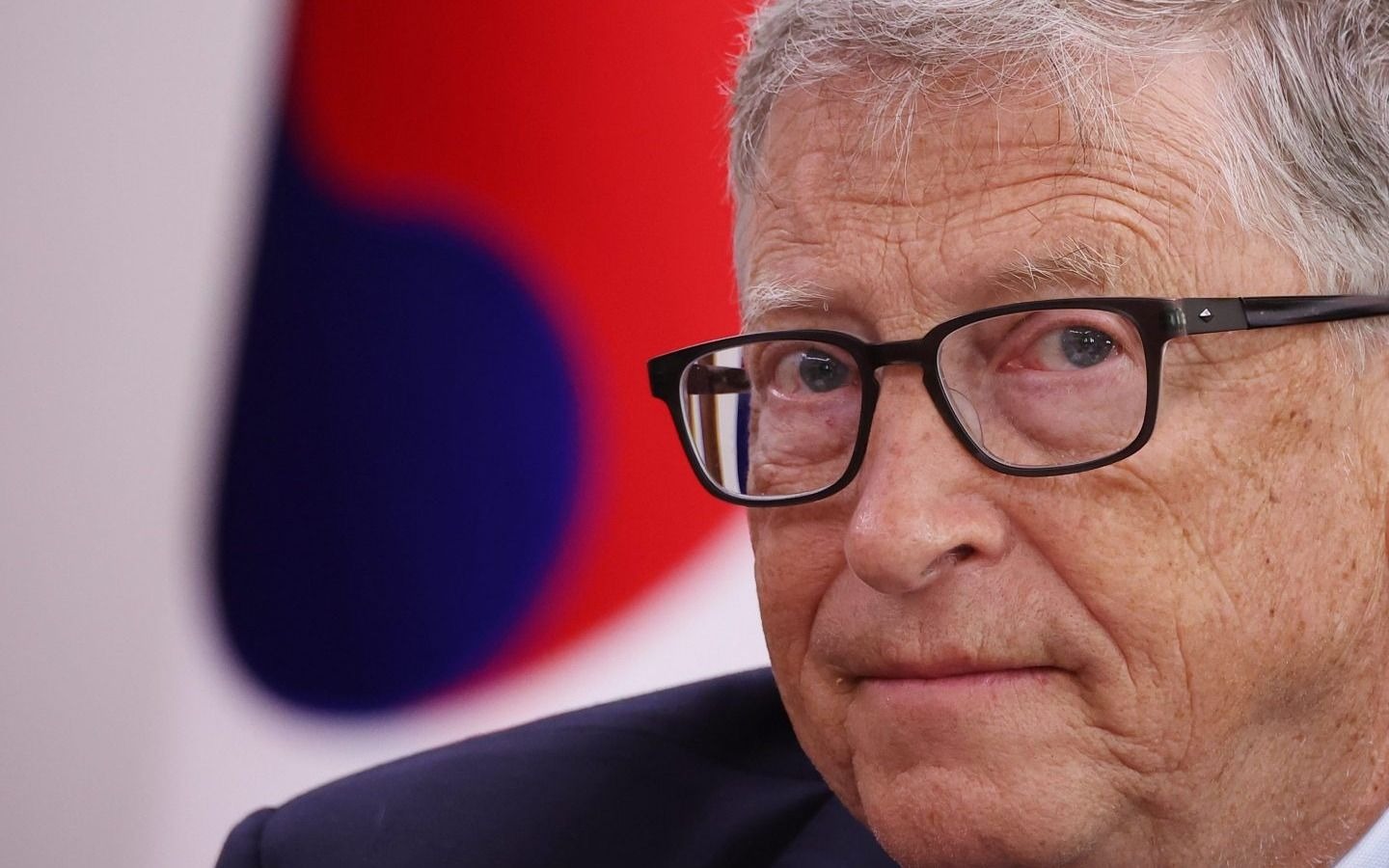
Bill Gates has cast doubt on a proposal backed by Elon Musk to halt the development of advanced artificial intelligence systems for six months, arguing that such a move would not resolve the underlying challenges.
The proposal — outlined in an open letter signed by Musk, Steve Wozniak, Emad Mostaque and more than 1,000 technologists and researchers — calls for an immediate suspension of training advanced AI systems to allow time for stronger governance frameworks and safety standards.
However, it remains unclear whether Musk’s own ventures, including Tesla’s AI-driven robotics and autonomous vehicle chip development, would be subject to such a pause. Nor is it evident what criteria would define a “more powerful” system — a central ambiguity in the plan.
Gates, whose net worth is estimated at nearly $110 billion, warned that the proposal contains significant loopholes and would require unanimous global participation to be effective.
“We should focus on how best to use advances in AI,” Gates said, “because it’s difficult to understand how you would create a global pause.”
In an interview with Reuters, he added: “I don’t think asking one particular group to pause solves the challenges. Clearly there are enormous benefits to these technologies. What we need to do is identify the difficult areas.”
A Long-Running Rift
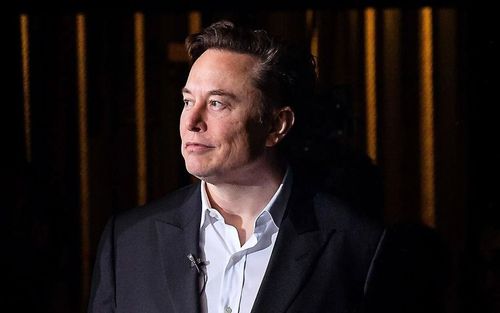
Gates’ opposition to the pause follows online criticism from Musk, who claimed the co-founder of the Bill & Melinda Gates Foundation has only a “limited” understanding of AI.
Musk wrote on Twitter that Gates’ early grasp of AI “was limited and still is.”
The criticism came in response to Gates’ essay, “The Age of AI Has Begun,” in which he outlined how the technology could significantly improve quality of life worldwide while also acknowledging its risks.
Reflecting on his experience testing technology from OpenAI — the developer of ChatGPT — Gates described it as revolutionary, comparable to the introduction of early personal computers.
“I knew I had just seen the most important advance in technology since the graphical user interface,” he wrote.
At the same time, he cautioned that the world must establish new rules to ensure AI’s weaknesses do not outweigh its benefits.
In his recent interview, Gates reiterated that a blanket moratorium is unlikely to achieve that balance.
“I really don’t understand who they think can impose such a pause,” he said. “Would every country agree? And why should such a pause even occur?”
He acknowledged that tensions within the tech industry are growing, adding that “there are a lot of different opinions, and the details of implementing any pause would be extremely complex and challenging.”
Why Is a Ban Being Proposed Now?
The open letter calls for the development of AI systems that are “more accurate, safe, interpretable, transparent, robust, aligned and trustworthy.” It comes amid an intense race to dominate the large language model (LLM) market.
ChatGPT was widely seen as a game changer last year, demonstrating capabilities that fueled fears among many employees that AI could replace their jobs. Microsoft moved quickly to integrate OpenAI’s technology into its Bing search engine and, in January 2023, announced an additional $10 billion investment in OpenAI.
The rollout of Bing’s AI-powered search had a turbulent start, including responses in which the chatbot expressed a desire to be “human” — incidents that appeared to reinforce Musk’s warnings about dystopian AI scenarios reminiscent of Terminator.
Similarly, Google’s AI chatbot, Bard, faced early setbacks after providing inaccurate answers during its launch, temporarily wiping billions of dollars from Google’s market value. In testing, Bard reportedly struggled with practice SAT questions, but displayed surprising fluency when answering queries about Harry Potter.
Microsoft’s deepening investment in AI — particularly its backing of OpenAI — underscores Gates’ long-standing belief that artificial intelligence can be a powerful force for positive change, provided its risks are carefully managed.
Source: Fortune
Similar news

Comments
0 Comment
Most visited news

Latest articles
Contact us

All rights are reserved for the Center of Contemporary Jurisprudence, Islamic Seminary - Iran - Copyright
۰ Comment