

20 Nov 2023
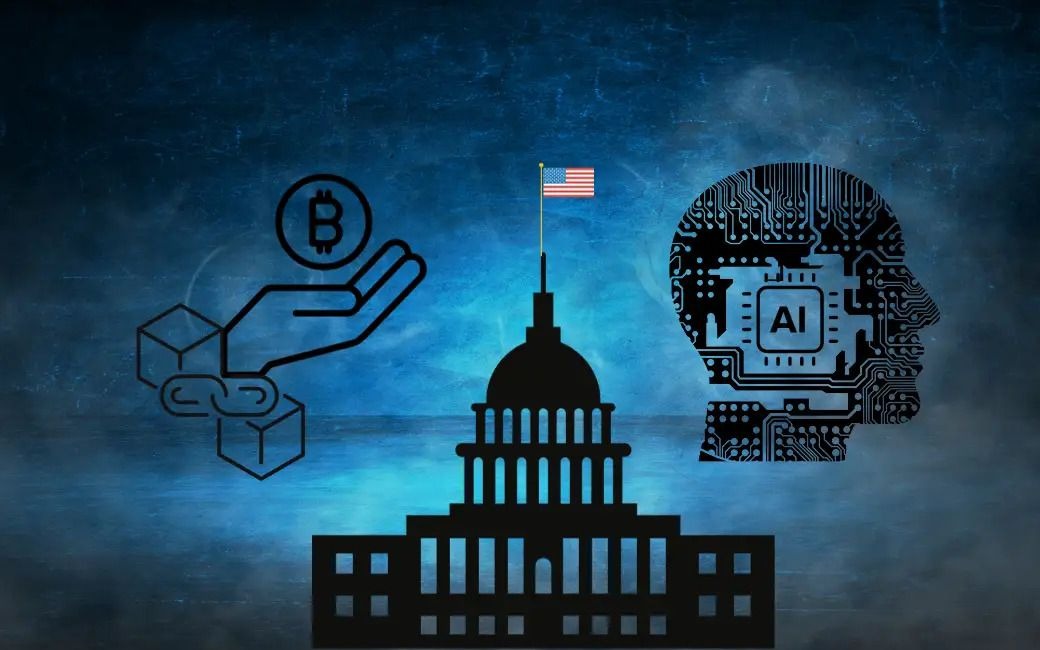
US Issues First Executive Order on AI – Part I
Joe Biden has unveiled a new executive order on artificial intelligence, marking the first initiative of its kind by the U.S. government.
The order introduces requirements for new safety evaluations, guidance on civil rights and equity, and research into AI’s impact on the labor market. It builds on voluntary commitments previously secured by the White House from leading AI companies, and represents the first binding federal action in this domain.
While law enforcement agencies have warned that they are prepared to apply existing laws to AI misuse, and Congress has sought further understanding of the technology to inform legislation, the executive order is expected to have a more immediate impact. According to a senior administration official, like all executive orders, it carries “legal authority.”
Key Components of the Executive Order
The directive is structured around eight core pillars:
- Establishing new AI safety and security standards, including requiring certain AI companies to share safety test results with the federal government, directing the United States Department of Commerce to develop safety guidance, and launching a cybersecurity program to build AI tools capable of identifying vulnerabilities in critical software.
- Protecting user privacy, by developing guidelines that agencies can use to assess privacy-preserving techniques in AI systems.
- Advancing equity and civil rights, by issuing guidance to federal landlords and contractors aimed at preventing discriminatory AI algorithms, and establishing best practices for AI use in the judicial system—particularly in sentencing, risk assessment, and crime prediction.
- Supporting user broadly, including directing the United States Department of Health and Human Services to create programs evaluating potentially harmful AI-driven healthcare practices, and developing resources for the responsible use of AI tools in education.
- Supporting workers, by preparing reports on AI’s potential labor market impacts and examining ways the federal government can assist workers affected by disruption.
- Promoting innovation and competition, through expanded funding for AI research in areas such as climate change, and modernizing pathways for skilled immigrant workers with key expertise to remain in the United States.
- Strengthening international cooperation, to advance global AI standards.
- Enhancing federal AI governance, by developing guidance on AI procurement and use across agencies, and accelerating the hiring of skilled professionals in this field.
Bruce Reed described the order as “the strongest set of actions any government in the world has taken on AI safety, security, and trust.”
The initiative builds upon voluntary commitments previously made by major technology firms; however, a senior official noted that while 15 leading U.S. tech companies had agreed to such measures, “this is not sufficient.” The executive order is therefore seen as a step toward clearer regulatory frameworks for AI development.
The same official added that President Biden had instructed his team months earlier to begin work on the directive, resulting in a comprehensive effort to leverage federal authority to manage AI-related risks while harnessing its benefits across multiple sectors.
Biden emphasized that the move also underscores the need for legislative action by Congress. Despite describing the executive order as a bold step, he stressed that further congressional measures remain necessary. The order has drawn mixed reactions from government bodies, as well as industry and business groups—responses that will be addressed in subsequent parts.
Similar news





Comments
0 Comment
Most visited news




Latest articles
Contact us

All rights are reserved for the Center of Contemporary Jurisprudence, Islamic Seminary - Iran - Copyright
۰ Comment