

05 May 2026
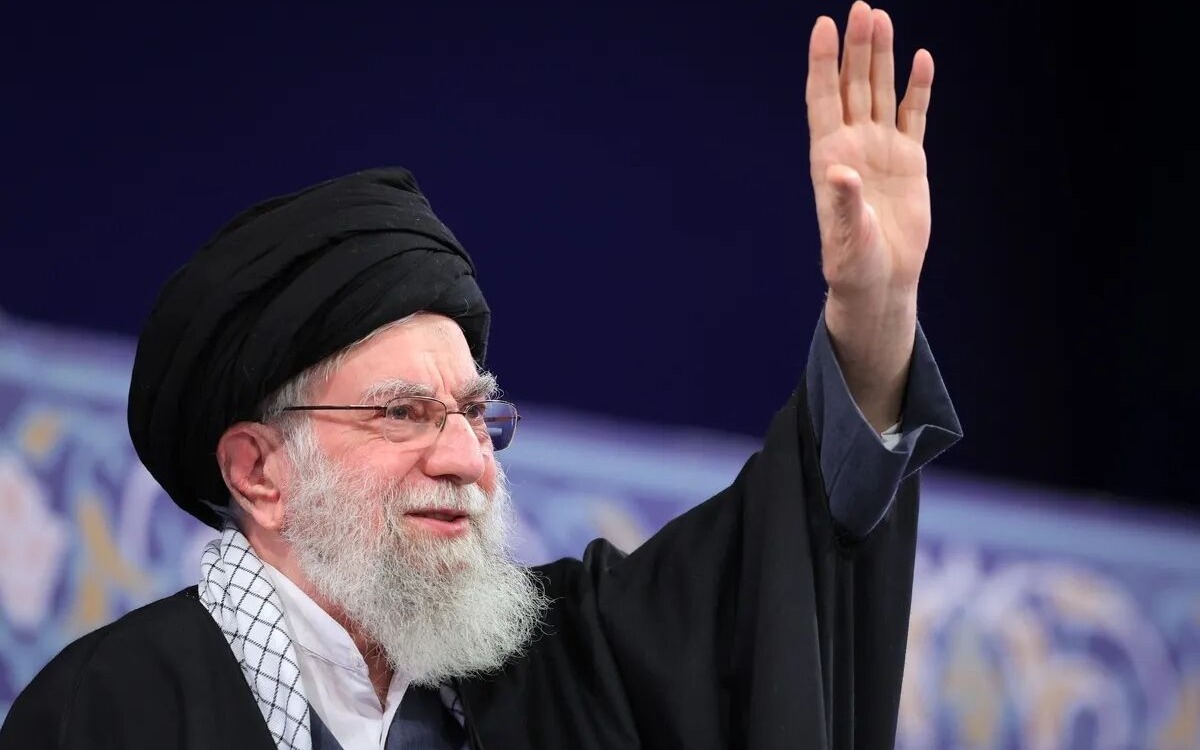
"Delay in Adopting Computers Is a Loss" Martyred Supreme Leader Warned
Head of the Noor Islamic Sciences Computer Research Center said: the martyred Supreme Leader had emphasized the urgency of embracing emerging technologies.
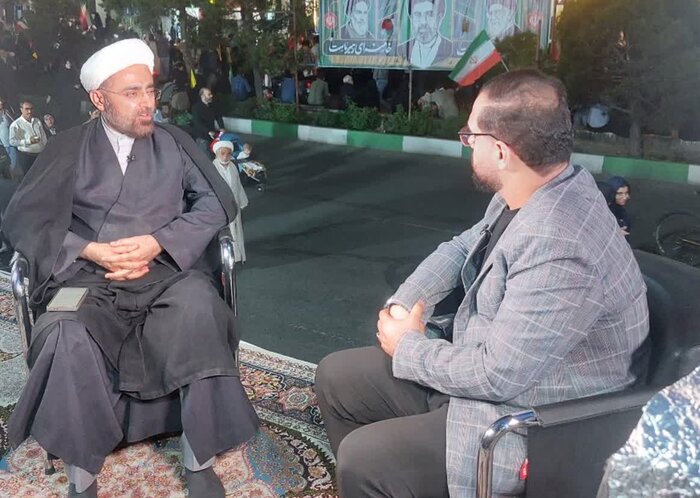
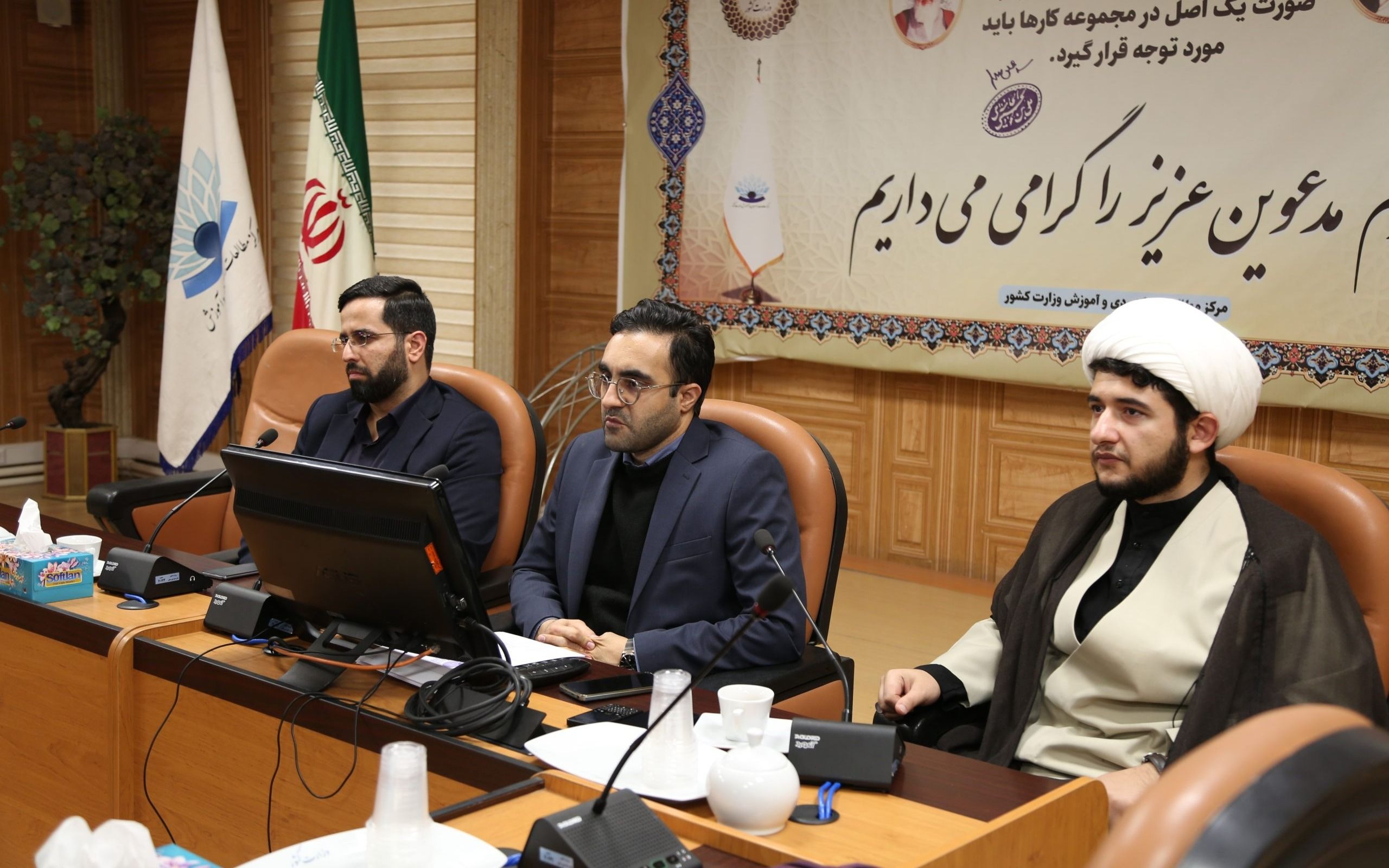
According to a report by Islamic Republic News Agency (IRNA), Hojatoleslam Mohammad Hossein Bahrami, head of the Noor Computer Research Center of Islamic Sciences, said the Martyred Supreme Leader had emphasized the urgency of embracing emerging technologies as early as the late 1980s.
Speaking in an interview, Hojatoleslam Bahrami recalled that in 1989, a group of seminary students and university scholars began experimenting with computers—then a limited and largely unfamiliar technology—to study Islamic hadith and biographical sciences. When they presented their early findings, the leader reportedly encouraged them to formalize their efforts. “He described the work as highly important and stressed that every day of delay in this path would result in losses,” Bahrami said, noting that this support directly led to the establishment of the Noor Research Center.
Bahrami highlighted that at the time, few intellectuals fully grasped the transformative potential of computing in advancing Islamic sciences. More than three decades later, the Noor Center continues to operate as a legacy of that early vision, developing digital tools and databases for religious scholarship. He added that the Supreme Leader personally held a senior supervisory role in the institution, reflecting a deep commitment to integrating technology with religious studies.
Bahrami also outlined broader themes in the leader’s approach to science and technology, emphasizing the idea that knowledge is a form of power—an idea rooted in Islamic teachings attributed to Ali ibn Abi Talib. According to Bahrami, the leader consistently advocated for scientific advancement, self-reliance, and the production of indigenous knowledge. He argued that Iran should not remain a passive consumer of global science but instead become a producer, citing developments in fields such as nuclear technology, nanotechnology, stem cells, and aerospace.
Turning to modern developments, Bahrami described artificial intelligence as a key strategic priority. He said the leader had warned against falling behind in this domain, cautioning that any delay could repeat the country’s historical scientific setbacks during the industrial era. He also raised concerns about potential misuse of AI by Western powers, pointing to recent global conflicts as evidence that such technologies could be leveraged for geopolitical ambitions.
Bahrami concluded by expressing optimism about Iran’s current progress in AI, noting that the Noor Center has developed various AI-based tools, systems, and chatbots focused on Islamic texts and hadith studies. He said Iran aims to rank among the world’s top 10 countries in AI development, positioning itself as a leader in both technological innovation and Islamic scholarship.
The remarks reflect ongoing efforts within Iran to align technological advancement with cultural and religious priorities, while navigating the broader global race for dominance in artificial intelligence.
https://www.irna.ir/news/86145367/رهبر-شهید-فرمودند-تاخیر-در-بهره-گیری-از-رایانه-خسارت-است
Similar news



Comments
0 Comment
Most visited news


Latest articles
Contact us

All rights are reserved for the Center of Contemporary Jurisprudence, Islamic Seminary - Iran - Copyright
۰ Comment